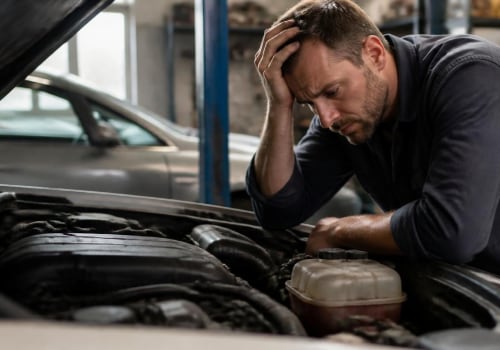
The check engine light is one of the most critical dashboard indicators in your vehicle, serving as a warning that something may be amiss under the hood. When this light illuminates, it can evoke a sense of panic for many drivers, but understanding its meaning is essential for effective car maintenance. The check engine light can signify a range of issues, from minor problems like a loose gas cap to more serious concerns such as engine misfires or transmission failures. Ignoring this warning can lead to more significant damage and costly repairs down the line.Common reasons for the check engine light to activate include issues with the vehicle's emissions system, problems with the oxygen sensor, or even a malfunctioning catalytic converter.
Each of these components plays a vital role in ensuring your car runs efficiently and meets environmental standards. Therefore, when you see that little light glowing on your dashboard, it’s crucial to take it seriously and investigate further.In addition to the check engine light, your dashboard is equipped with various car warning lights that provide insights into your vehicle's health. Familiarizing yourself with these indicators can empower you as a driver, allowing you to address potential issues before they escalate. Regularly monitoring these lights and understanding their meanings not only enhances your driving experience but also contributes significantly to the longevity of your vehicle.
Immediate Steps to Take When the Light Comes On
When your check engine light illuminates, it can be alarming, but taking immediate action is crucial for both your safety and the health of your vehicle.Here are the steps you should follow:
- Stay Calm: The first step is to remain calm. A lit check engine light does not always indicate a severe problem.
- Check for Obvious Issues: If it’s safe to do so, pull over to a secure location. Once parked, check for any obvious signs of trouble, such as:
- Strange noises from the engine
- Unusual smells, like burning or gas
- Fluid leaks under the vehicle
- Assess the Situation: If the light is steady, it may indicate a less urgent issue. However, if it’s flashing, this typically signals a more serious problem that requires immediate attention.
- Turn Off the Engine: If you notice any concerning symptoms or if the light is flashing, turn off your engine as soon as it is safe to do so.
Continuing to drive could lead to further damage.
- Wait a Moment: After turning off the engine, wait a few minutes before restarting it. Sometimes, the light may reset itself if the issue was temporary.
- Restart and Monitor: Restart your vehicle and observe whether the check engine light remains on. If it turns off, monitor your car’s performance closely for any unusual behavior.
- Consult Your Owner’s Manual: Refer to your vehicle’s owner manual for specific guidance related to your make and model. It may provide insights into what the check engine light indicates.
- Seek Professional Help: If the light stays on or if you notice any concerning symptoms, it’s time to consult a professional mechanic.
They can run diagnostic tests to identify the underlying issue.
Common Causes of a Check Engine Light
When your check engine light illuminates, it can be a source of anxiety for many drivers. Understanding the common causes behind this warning can help you address potential car maintenance issues before they escalate into more serious problems.- Loose or Damaged Gas Cap: One of the simplest and most frequent reasons for a check engine light is a loose or damaged gas cap. This can lead to fuel evaporation and decreased fuel efficiency.
Always ensure your gas cap is tightened properly after refueling.
- Faulty Oxygen Sensor: The oxygen sensor measures the amount of unburned oxygen in the exhaust. A malfunctioning sensor can affect your vehicle's fuel efficiency and emissions. Replacing a faulty oxygen sensor is crucial for maintaining optimal engine performance.
- Malfunctioning Catalytic Converter: The catalytic converter helps reduce harmful emissions. If it fails, it can lead to poor engine performance and increased emissions.
Signs of a failing catalytic converter include decreased acceleration and unusual noises from the exhaust.
- Worn Spark Plugs: Spark plugs ignite the air-fuel mixture in the engine. Worn or dirty spark plugs can cause misfires, leading to reduced power and fuel efficiency. Regularly checking and replacing spark plugs is an essential part of car maintenance.
- Mass Airflow Sensor Issues: The mass airflow sensor measures the amount of air entering the engine to ensure proper fuel mixture. If it malfunctions, it can lead to poor performance and increased emissions.
Regular diagnostics and timely repairs not only keep your vehicle running smoothly but also help you avoid costly repairs down the line.
When to Seek Professional Help
When your check engine light illuminates, it can be tempting to ignore it or attempt a quick fix. However, there are specific scenarios where seeking professional car maintenance is not just advisable but necessary. Understanding these situations can save you time, money, and potential safety hazards.Signs You Need a Mechanic
- Persistent Check Engine Light: If the light remains on after you’ve attempted basic troubleshooting, such as checking the gas cap or resetting the system, it’s time to consult a mechanic.
- Strange Noises or Smells: Unusual sounds from the engine or strange odors can indicate serious issues that require expert diagnosis.
- Decreased Performance: If you notice a drop in fuel efficiency, acceleration problems, or stalling, these symptoms often point to underlying mechanical issues.
- Dashboard Warning Lights: If other warning lights accompany the check engine light, this could signify a more complex problem that needs professional attention.
This process not only identifies the root cause of the check engine light but also helps prevent further damage to your vehicle.Additionally, if your vehicle is still under warranty, attempting repairs yourself could void that warranty. Therefore, it’s crucial to weigh the risks and benefits of DIY fixes against the advantages of professional assistance.In summary, while regular car maintenance and minor troubleshooting are essential for vehicle upkeep, knowing when to seek help from a mechanic is equally important. If you encounter any of the signs mentioned above, don’t hesitate to reach out for professional car maintenance to ensure your vehicle remains safe and reliable on the road.
DIY Troubleshooting Tips for Drivers
When your check engine light illuminates, it can be a source of anxiety for many drivers. However, before rushing to a mechanic, there are several DIY troubleshooting tips you can try to diagnose the issue yourself.This not only empowers you with knowledge but can also save you time and money.
1.Check for Obvious Issues
- Loose Gas Cap: One of the most common reasons for a check engine light is a loose or damaged gas cap. Ensure it’s tightened properly and inspect it for any cracks.
- Fluid Leaks: Look under your vehicle for any signs of fluid leaks. Oil, coolant, or transmission fluid leaks can trigger the check engine light.
2.Use an OBD-II Scanner
If you have access to an OBD-II scanner, this tool can provide valuable insights into why your check engine light is on. Simply plug it into the diagnostic port under your dashboard and follow the instructions to retrieve error codes.
These codes can help you identify specific issues related to your vehicle's performance.
3.Monitor Your Vehicle's Performance
- Unusual Sounds: Pay attention to any strange noises coming from the engine, such as knocking or hissing.
- Decreased Fuel Efficiency: If you notice a drop in fuel efficiency, it could indicate an underlying problem that needs addressing.
4.Research Common Issues
Different makes and models have their own common issues that trigger the check engine light. Research online forums or consult your vehicle’s manual to see if others have experienced similar problems.
5.Reset the Check Engine Light
If you've addressed any potential issues but the light remains on, you can try resetting it by disconnecting the battery for a few minutes. However, if the light comes back on after this reset, it’s a sign that further investigation is needed.By following these car maintenance tips, you can take proactive steps in diagnosing your vehicle's issues before seeking professional help. Remember, while DIY troubleshooting can be effective, some problems may require expert attention to ensure your car remains safe and reliable on the road.
Preventive Maintenance to Avoid Future Issues
To ensure your vehicle remains in optimal condition and to avoid the check engine light from illuminating unexpectedly, implementing a routine of preventive car maintenance is crucial.Regular checks not only enhance the longevity of your vehicle but also save you from costly repairs down the line.
1.Regular Oil Changes
- Changing your oil at recommended intervals helps maintain engine health and performance.
- Use the right type of oil as specified in your owner’s manual to ensure proper lubrication.
2.Monitor Fluid Levels
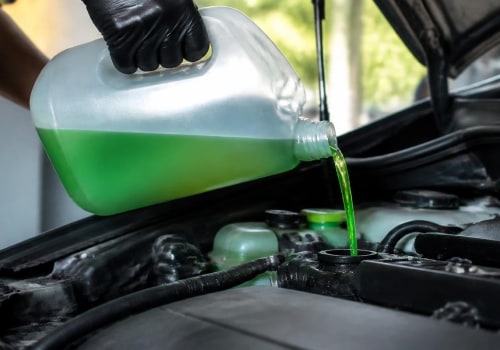
- Regularly check and top off essential fluids, including coolant, brake fluid, and transmission fluid.
- Low fluid levels can lead to overheating or other mechanical failures that may trigger the check engine light.
3.Inspect the Battery and Electrical System
- A weak battery or corroded terminals can cause various electrical issues, including triggering warning lights.
- Ensure connections are clean and secure, and replace the battery as needed.
4.Tire Maintenance
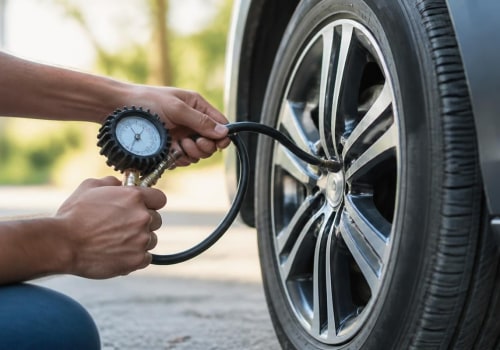
- Check tire pressure regularly and ensure they are properly inflated to improve fuel efficiency and handling.
- Rotate tires as recommended to promote even wear and extend their lifespan.
5.Regular Diagnostic Checks
- Consider having your vehicle undergo diagnostic checks periodically, even if no warning lights are on.
- This proactive approach can identify potential issues before they escalate into serious problems.
Frequently Asked Questions About Check Engine Lights
When the check engine light illuminates on your dashboard, it can be a source of anxiety for many drivers. Here are some frequently asked questions that can help you understand what to do next:- What does it mean when the check engine light comes on?
The check engine light can indicate a variety of issues, ranging from minor problems like a loose gas cap to more serious concerns such as engine misfires or emissions system failures. It's essential to diagnose the issue promptly. - Should I continue driving if the check engine light is on?
If the light is steady, you may be able to drive for a short period, but if it starts flashing, it indicates a severe problem that requires immediate attention.Continuing to drive in this case could lead to further damage.
- How can I diagnose the problem?
Using an OBD-II scanner can help you read the trouble codes stored in your vehicle's computer. Many auto parts stores offer free diagnostic services, which can provide insight into the issue. - What are some common causes of a check engine light?
Common causes include:- A loose or damaged gas cap
- Faulty oxygen sensors
- Malfunctioning catalytic converter
- Worn spark plugs or ignition coils
- How often should I have my car checked?
Regular car maintenance is crucial. It's advisable to have your vehicle inspected at least once a year or whenever the check engine light comes on.
Conclusion: Key Takeaways on Managing Your Check Engine Light
In conclusion, understanding what to do when your check engine light illuminates is crucial for effective car maintenance.Ignoring this warning can lead to more severe issues down the line, potentially resulting in costly repairs and decreased vehicle performance. Here are the key takeaways to remember:
- Stay Calm: The check engine light can indicate a range of issues, from minor to serious. Panicking won’t help; instead, assess the situation calmly.
- Check for Obvious Issues: Before heading to a mechanic, check for simple problems such as a loose gas cap or low oil levels. These can often trigger the light.
- Use an OBD-II Scanner: If you have access to an OBD-II scanner, use it to retrieve diagnostic trouble codes. This can provide insight into the specific issue affecting your vehicle.
- Consult a Professional: If the light remains on after checking for simple fixes, it’s essential to consult a qualified mechanic.
They can perform a thorough diagnostic and recommend necessary repairs.
- Regular Maintenance: Incorporating regular maintenance checks into your routine can help prevent issues that trigger the check engine light. This includes oil changes, filter replacements, and inspections of key systems.