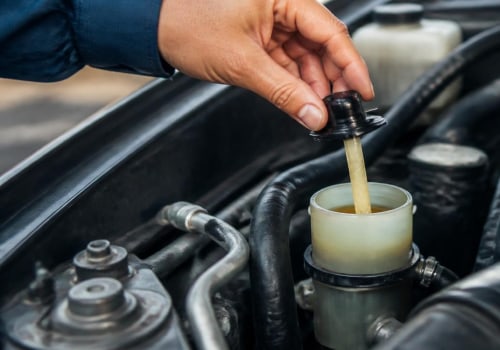
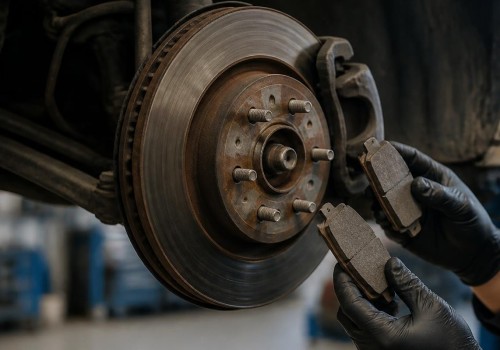
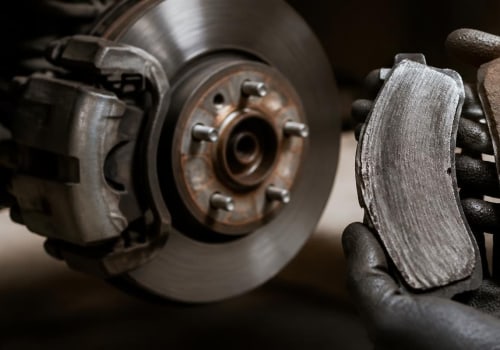
The brake master cylinder is a critical component of your vehicle's braking system, serving as the heart that pumps brake fluid to the brakes. This essential part converts the force from your foot on the brake pedal into hydraulic pressure, which then activates the brake calipers or drums to slow down or stop your car. Understanding how this component functions is vital for effective car maintenance, as it directly impacts your vehicle's safety and performance.When you press the brake pedal, the master cylinder pushes brake fluid through the lines to the brakes, allowing them to engage. If the master cylinder fails, it can lead to a loss of braking power, making it difficult to stop your vehicle safely.
This is why recognizing the signs of a failing master cylinder is crucial for any car owner. Regular checks and maintenance can help ensure that this component remains in good working order, preventing potential accidents and costly repairs.In addition to its primary function, the brake master cylinder also plays a role in maintaining the overall integrity of the brake system components. A well-functioning master cylinder ensures that all parts of the braking system work harmoniously together. Neglecting this component can lead to cascading failures throughout the braking system, underscoring the importance of regular inspections and timely replacements as part of your car maintenance routine.
Common Signs of a Failing Brake Master Cylinder
Understanding the signs of a failing brake master cylinder is crucial for maintaining your vehicle's safety and performance.The brake master cylinder is a vital component of your car's braking system, responsible for generating the hydraulic pressure needed to engage the brakes. When it begins to fail, several symptoms may arise, indicating that immediate attention is required.
- Brake Fluid Leaks: One of the most noticeable signs of a failing brake master cylinder is the presence of brake fluid leaks. If you notice fluid pooling under your vehicle or around the brake components, it could indicate a leak in the master cylinder. Regularly checking your brake fluid levels can help you catch this issue early.
- Spongy or Soft Brake Pedal: A spongy brake pedal is another common symptom.
If you find that your brake pedal feels soft or sinks to the floor when pressed, it may be a sign that the master cylinder is not maintaining proper hydraulic pressure. This can lead to decreased braking efficiency and should be addressed immediately.
- Warning Lights: Many modern vehicles are equipped with warning lights on the dashboard that alert drivers to potential issues. If you see a warning light related to the braking system, it could indicate a problem with the master cylinder or other components. Ignoring these warnings can lead to more severe issues down the line.
- Unresponsive Brakes: If you experience a delay in braking response or if your brakes feel unresponsive, this could signal a failing master cylinder.
This symptom can be particularly dangerous, as it directly affects your ability to stop the vehicle safely.
How to Diagnose a Failing Brake Master Cylinder
Diagnosing a failing brake master cylinder is crucial for ensuring your vehicle's safety and performance. Here’s a step-by-step guide to help you identify potential issues:- Visual Inspection: Start by inspecting the brake master cylinder for any visible signs of damage or leaks. Look for fluid stains around the cylinder, which may indicate a leak.
Check the brake fluid level in the reservoir; if it’s low, this could be a sign of a problem.
- Brake Fluid Quality: Examine the quality of the brake fluid. If it appears dark or contaminated, it may need to be replaced. Old or dirty fluid can affect the performance of the brake system.
- Pedal Feel Test: Press down on the brake pedal with your foot. If the pedal feels spongy or sinks to the floor without much resistance, this could indicate air in the brake lines or a failing master cylinder.
- Brake Performance Test: While driving at a low speed, apply the brakes firmly.
If you notice that the car takes longer to stop than usual or if the brakes feel unresponsive, this may suggest an issue with the master cylinder.
- Check for Warning Lights: Pay attention to your vehicle’s dashboard warning lights. If the brake warning light is illuminated, it could indicate a problem with the brake system, including the master cylinder.
The Importance of Regular Brake Maintenance
Regular brake maintenance is crucial for ensuring the safety and reliability of your vehicle. The brake system, particularly the brake master cylinder, plays a vital role in the overall functionality of your car's braking system.Neglecting this component can lead to serious safety issues, including brake failure.One of the most effective ways to prevent master cylinder failure is through a consistent car maintenance schedule. This schedule should include regular inspections of the brake system, focusing on fluid levels, wear and tear of components, and any signs of leaks. By adhering to a maintenance routine, you can catch potential problems early before they escalate into costly repairs or dangerous situations.
Brake Maintenance Tips
- Check Brake Fluid Levels: Regularly inspect the brake fluid reservoir to ensure it is filled to the recommended level. Low fluid can indicate leaks or other issues.
- Inspect for Leaks: Look for any signs of fluid leaks around the master cylinder and brake lines.
Early detection can prevent further damage.
- Listen for Unusual Noises: Pay attention to any grinding or squeaking sounds when applying brakes, as these may signal worn components.
- Monitor Brake Performance: If you notice a spongy or unresponsive brake pedal, it could be a sign of master cylinder failure or air in the brake lines.
What to Do If You Suspect a Failing Brake Master Cylinder
If you suspect that your brake master cylinder is failing, it’s crucial to take immediate action to ensure your safety and the safety of others on the road.Here are the steps you should follow:
- Recognize the Symptoms: Pay attention to any signs such as a spongy brake pedal, fluid leaks, or warning lights on your dashboard. These symptoms can indicate that your brake master cylinder is not functioning properly.
- Check Brake Fluid Levels: Inspect the brake fluid reservoir. If the fluid is low, it could be a sign of a leak in the master cylinder or elsewhere in the braking system. Top off the fluid with the appropriate type if necessary, but remember that this is only a temporary fix.
- Consult a Mechanic: If you notice any of the symptoms mentioned above, it’s time to consult a professional mechanic.
They can perform a thorough inspection and diagnose whether the issue lies with the brake master cylinder or another component of your braking system.
Brake Repair Options:
Depending on the diagnosis, there are several options for repair or replacement:- Brake Master Cylinder Replacement: If the master cylinder is confirmed to be faulty, replacing it is often necessary. This process involves removing the old unit and installing a new one, which can restore proper brake function.
- Brake System Bleeding: After replacing the master cylinder, it’s crucial to bleed the brake system to remove any air bubbles that may have entered during the repair process.
- Regular Maintenance: To prevent future issues, ensure regular maintenance of your braking system.
This includes checking fluid levels and inspecting components for wear and tear.
Frequently Asked Questions About Brake Master Cylinders
When it comes to car maintenance, understanding the brake master cylinder is crucial for ensuring your vehicle's safety. Here are some frequently asked questions regarding this vital component:What is a brake master cylinder?
The brake master cylinder is a key part of your vehicle's braking system. It converts the force from the brake pedal into hydraulic pressure, which then activates the brakes at each wheel. A properly functioning master cylinder is essential for effective braking.What are the signs of a failing brake master cylinder?
- Soft or Spongy Brake Pedal: If you notice that your brake pedal feels soft or sinks to the floor when pressed, it may indicate a problem with the master cylinder.
- Brake Fluid Leaks: Puddles of brake fluid under your vehicle can signal a leak in the master cylinder, which can lead to brake failure.
- Warning Light: Many modern vehicles have a dashboard warning light that indicates issues with the braking system, including potential master cylinder problems.
- Uneven Braking: If your car pulls to one side when braking, it could be due to uneven pressure caused by a malfunctioning master cylinder.
How often should I check my brake master cylinder?
Regular inspections are part of good car maintenance.It's advisable to check your brake fluid levels and inspect for leaks during routine maintenance checks, typically every 6 months or as recommended in your vehicle's owner manual.
Can I drive with a failing brake master cylinder?
No, driving with a failing brake master cylinder is extremely dangerous. It can lead to complete brake failure, putting you and others at risk. If you suspect an issue, it's best to have your vehicle inspected by a professional mechanic immediately.By addressing these common questions about the brake master cylinder, you can better understand its role in your vehicle's braking system and ensure that you maintain it properly for safe driving.Conclusion: Ensuring Your Vehicle's Safety Through Proper Brake Maintenance
In conclusion, recognizing the signs of a failing brake master cylinder is crucial for maintaining your vehicle's safety. A well-functioning brake system is not just about stopping your car; it’s about ensuring the safety of you, your passengers, and others on the road.Ignoring symptoms such as a spongy brake pedal, fluid leaks, or warning lights can lead to severe consequences.Regular car maintenance should include thorough inspections of your braking system. Here are some key takeaways to keep in mind:
- Pay attention to your brake pedal: If it feels soft or sinks to the floor, it may indicate a problem with the master cylinder.
- Check for fluid leaks: Any signs of brake fluid under your vehicle should be addressed immediately.
- Monitor warning lights: If your dashboard shows a brake warning light, don’t ignore it; have your vehicle checked.
- Listen for unusual noises: Grinding or squeaking sounds can signal that your brakes need attention.
Don’t wait for a failure to occur; take action today to ensure that your braking system remains in optimal condition.