Power steering fluid is a vital component of your vehicle's steering system, playing a crucial role in ensuring smooth and effortless maneuverability. This specialized hydraulic fluid helps to amplify the force applied to the steering wheel, allowing drivers to navigate their vehicles with ease, especially at low speeds or during tight turns. Without adequate levels of power steering fluid, you may experience increased steering effort, unusual noises, or even complete loss of steering control, which can pose serious safety risks. Understanding the importance of power steering fluid goes beyond just ease of driving; it is an essential aspect of car maintenance. Regularly checking and maintaining the correct fluid level not only enhances your driving experience but also prolongs the life of your vehicle's steering components.
Low fluid levels can lead to overheating and damage to the power steering pump, resulting in costly repairs. Therefore, being proactive about your power steering fluid can save you time and money in the long run. In this article, we will guide you through the steps to check your car's power steering fluid level effectively. By understanding how to maintain this critical fluid, you can ensure that your vehicle remains safe and responsive on the road. Whether you're a seasoned car enthusiast or a new driver, grasping these car maintenance basics will empower you to take better care of your vehicle and enhance its performance.
Signs of Low Power Steering Fluid
Recognizing the signs of low power steering fluid is crucial for maintaining your vehicle's performance and safety.Ignoring these symptoms can lead to more severe issues, including damage to the power steering system. Here are some common indicators that your power steering fluid may be running low:
- Difficulty Steering: One of the first signs of low power steering fluid is a noticeable increase in steering effort. If you find it challenging to turn the wheel, especially at low speeds or when parking, it may be time to check your fluid levels.
- Unusual Noises: Listen for whining or groaning sounds when you turn the steering wheel. These noises often indicate that the power steering pump is struggling due to insufficient fluid.
- Fluid Leaks: Check for any puddles or spots of reddish-brown fluid under your vehicle.
A leak can lead to a rapid decrease in fluid levels, exacerbating steering issues.
- Warning Light: Many modern vehicles are equipped with a dashboard warning light that illuminates when there’s a problem with the power steering system. If this light appears, it’s essential to investigate further.
How to Locate the Power Steering Fluid Reservoir
Locating the power steering fluid reservoir is a crucial step in maintaining your vehicle's steering system.The reservoir is typically a small, cylindrical or rectangular container that holds the power steering fluid necessary for smooth steering operation. Here’s how you can find it:
- Check the Owner's Manual: The first step in locating the power steering fluid reservoir is to consult your vehicle's owner manual. This guide provides specific information about your car model, including the exact location of the reservoir.
- Look Under the Hood: Open the hood of your car and secure it. The power steering fluid reservoir is usually located near the back of the engine bay, close to the driver's side.
It may be labeled with a steering wheel icon or marked as "Power Steering Fluid" for easy identification.
- Identify Common Locations: In many vehicles, the reservoir is positioned on or near the engine block. For some models, it might be found near the front of the engine, while others may have it tucked away behind other components. If you have trouble finding it, look for a small cap that can be unscrewed or popped off.
- Check for Color Coding: The reservoir is often made of translucent plastic, allowing you to see the fluid level without opening it. The fluid itself is typically a clear or slightly yellowish color.
If you see a low level of fluid, it's time to top it off.
Checking the Power Steering Fluid Level: Step-by-Step Guide
Checking your car's power steering fluid level is a crucial part of car maintenance that ensures your vehicle operates smoothly and safely. Here’s a step-by-step guide to help you perform this task effectively.- Gather Your Tools: Before you start, make sure you have a clean rag or paper towel and, if necessary, a funnel for adding fluid.
- Locate the Power Steering Reservoir: Open the hood of your car and locate the power steering fluid reservoir. This is usually a small, cylindrical container labeled with a steering wheel icon or the words "power steering." Refer to your owner’s manual if you have trouble finding it.
- Check the Fluid Level: Most reservoirs have markings on the side indicating the minimum and maximum fluid levels.
Remove the cap and wipe the dipstick (if present) with your rag. Reinsert it and then remove it again to check the fluid level. The fluid should be between the minimum and maximum marks.
- Inspect Fluid Condition: While checking the level, also observe the color and consistency of the fluid. Healthy power steering fluid is typically a clear or light amber color.
If it appears dark or has debris, it may need to be replaced.
- Add Fluid if Necessary: If the fluid level is low, use a funnel to add the appropriate type of power steering fluid as specified in your owner’s manual. Avoid overfilling, as this can cause leaks or damage.
- Replace the Cap: After checking and adding fluid, securely replace the reservoir cap to prevent contamination.
Interpreting the Fluid Level Readings
Understanding how to interpret the power steering fluid level readings is crucial for effective car maintenance.When you check your power steering fluid, you will typically find a dipstick or markings on the reservoir that indicate the fluid level. Here’s how to make sense of those readings:
- Low Level: If the fluid level is below the minimum mark, it indicates that you need to add more fluid. Operating your vehicle with low power steering fluid can lead to increased wear on the steering components and may cause steering difficulties.
- Normal Level: A reading between the minimum and maximum marks signifies that your power steering system is functioning properly. Regularly checking this level can help prevent future issues.
- High Level: If the fluid level exceeds the maximum mark, it could indicate overfilling, which can lead to foaming and reduced effectiveness of the power steering system.
In this case, it’s advisable to remove some fluid.
How to Add Power Steering Fluid Safely
When you discover that your power steering fluid level is low, it’s essential to add power steering fluid promptly to ensure your vehicle operates smoothly. Here’s a step-by-step guide on how to do this safely.1.Gather Your Supplies
- Power steering fluid (check your owner’s manual for the correct type)
- A funnel (optional, but recommended for precision)
- A clean cloth or paper towel
2.Locate the Power Steering Fluid Reservoir
Open the hood of your car and locate the power steering fluid reservoir.
This is typically a small, translucent container labeled with a steering wheel icon. If you’re unsure, consult your owner’s manual for the exact location.
3.Check the Fluid Level
Before adding fluid, check the current level. Most reservoirs have markings indicating minimum and maximum levels. If the fluid is below the minimum mark, it’s time to add more.
4.Add Power Steering Fluid
If you need to add fluid, remove the cap from the reservoir.
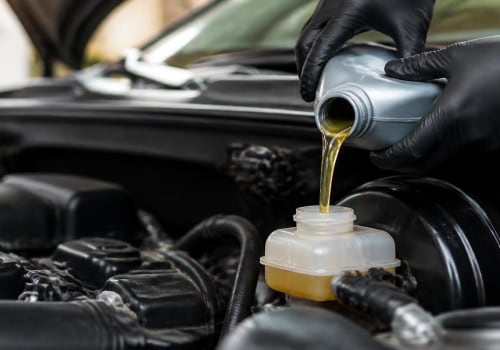
Using a funnel can help prevent spills. Pour in the recommended power steering fluid slowly until it reaches the maximum mark on the reservoir. Be careful not to overfill, as this can cause leaks or damage.
5.Replace the Cap and Clean Up
After adding the fluid, securely replace the cap on the reservoir. Wipe away any spills with a clean cloth or paper towel to prevent slipping hazards and keep your engine bay tidy.
6.Test Your Steering
Once you’ve added the fluid, start your car and turn the steering wheel from side to side to circulate the new fluid through the system.
This will help eliminate any air pockets that may have formed.
Avoid Common Mistakes
- Using the Wrong Fluid: Always refer to your owner’s manual to ensure you’re using the correct type of power steering fluid.
- Overfilling: Adding too much fluid can lead to leaks and other issues.
- Ignoring Leaks: If you frequently find yourself adding fluid, there may be a leak in your system that needs professional attention.
Common Mistakes When Checking Power Steering Fluid Levels
Checking your car's power steering fluid level is a crucial part of car maintenance, but many people make common mistakes that can lead to inaccurate readings or even damage to the system. Here are some frequent errors to avoid:- Not Allowing the Engine to Cool: One of the most common mistakes is checking the fluid level when the engine is hot. The fluid expands when heated, which can give a false reading. Always allow your engine to cool down before checking.
- Neglecting to Clean the Dipstick: Before you check the fluid level, it’s essential to wipe the dipstick clean.
Dirt and debris can affect the accuracy of your reading. Use a clean cloth to remove any contaminants before inserting it back into the reservoir.
- Ignoring Manufacturer Guidelines: Each vehicle has specific guidelines for checking power steering fluid levels. Failing to consult your owner’s manual can lead to incorrect procedures. Always refer to your manual for the correct method and recommended fluid type.
- Overfilling the Reservoir: Adding too much fluid can cause pressure build-up and lead to leaks or damage.
Make sure to fill only to the recommended level indicated on the dipstick or reservoir.
- Using the Wrong Fluid: Not all power steering fluids are created equal. Using an incompatible fluid can harm your steering system. Always use the type specified in your vehicle’s manual.
FAQs About Power Steering Fluid Maintenance
Maintaining your car's power steering fluid is crucial for ensuring smooth steering and overall vehicle performance.Here are some frequently asked questions regarding power steering fluid maintenance:
- What is power steering fluid?
Power steering fluid is a hydraulic fluid that helps in the operation of the power steering system, allowing for easier steering of the vehicle. - How often should I check my power steering fluid?
It is recommended to check your power steering fluid level at least once a month, or more frequently if you notice any signs of leakage or difficulty in steering. - What are the signs of low power steering fluid?
Common signs include a whining noise when turning the wheel, stiff or unresponsive steering, and visible leaks under the vehicle. - Can I use any type of fluid for my power steering?
No, it’s important to use the type of power steering fluid specified in your vehicle’s owner manual. Using the wrong type can damage the system. - How do I add power steering fluid?
To add fluid, locate the power steering reservoir, remove the cap, and pour in the appropriate fluid until it reaches the recommended level. Always check for leaks after adding.
Conclusion: Keeping Your Power Steering System Healthy
In conclusion, maintaining your car's power steering system is crucial for ensuring a smooth and safe driving experience. Regularly checking your power steering fluid level is a simple yet essential part of car maintenance that can prevent more significant issues down the road. By keeping an eye on the fluid level, you can identify potential leaks or other problems early, which can save you time and money on repairs.Remember, low power steering fluid can lead to increased wear on the steering components and may even result in complete steering failure.
Key Takeaways for Power Steering Maintenance
- Check Fluid Levels Regularly: Make it a habit to inspect your power steering fluid at least once a month.
- Use the Correct Fluid: Always refer to your vehicle's owner manual to ensure you are using the right type of power steering fluid.
- Look for Signs of Trouble: Be vigilant for any unusual noises or difficulty in steering, as these could indicate low fluid levels or other issues.
- Consult a Professional: If you notice any problems or if the fluid level is consistently low, it’s wise to consult a mechanic for a thorough inspection.