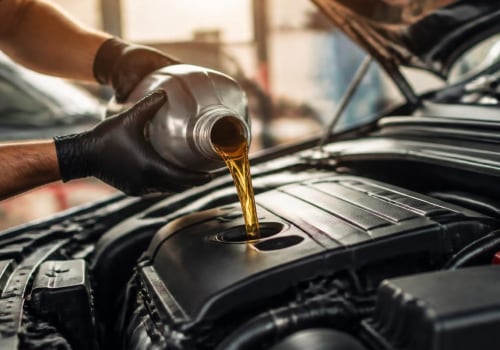
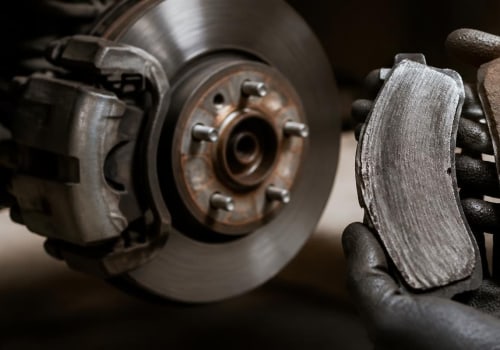
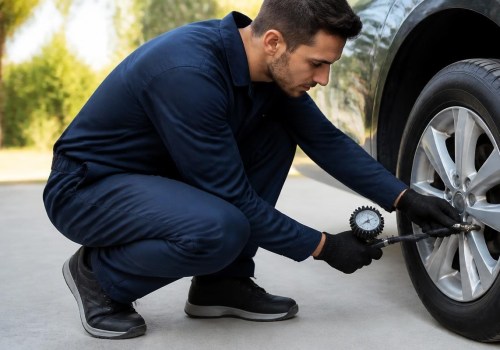
When it comes to vehicle safety, few components are as critical as brake fluid. This often-overlooked liquid plays a vital role in the braking system, ensuring that your vehicle can stop effectively and safely. Brake fluid is responsible for transferring the force from your foot on the brake pedal to the brake pads, which then clamp down on the rotors to slow or stop the car. Without proper maintenance of this fluid, your vehicle's braking performance can be compromised, leading to potentially dangerous situations. Understanding the importance of brake fluid in car maintenance is essential for every driver.
Over time, brake fluid can absorb moisture from the air, which can lead to a decrease in its boiling point and overall effectiveness. This moisture can also cause corrosion within the braking system, leading to costly repairs and diminished safety. Regularly checking and changing your brake fluid not only enhances your vehicle's performance but also extends the lifespan of critical components. In summary, maintaining optimal brake fluid levels is not just a matter of routine car maintenance; it is a crucial aspect of ensuring your safety on the road. By prioritizing this often-neglected task, you can help prevent brake failure and ensure that your vehicle responds promptly when you need it most.
As we delve deeper into this topic, we will explore the recommended intervals for changing brake fluid and how to recognize signs that it may be time for a replacement.
What is Brake Fluid and Its Function?
Brake fluid is a crucial component of a vehicle's braking system, serving as the hydraulic fluid that transfers force from the brake pedal to the brake components. When you press the brake pedal, the brake fluid is compressed and sent through the brake lines to the brake calipers or wheel cylinders, which then apply pressure to the brake pads or shoes, ultimately slowing down or stopping the vehicle.There are several types of brake fluid, each with distinct properties and applications:- DOT 3: A glycol-based fluid that is commonly used in many vehicles. It has a lower boiling point compared to other types, making it suitable for standard driving conditions.
- DOT 4: This type has a higher boiling point than DOT 3 and is often used in vehicles that require better performance under high-stress conditions, such as sports cars.
- DOT 5: A silicone-based fluid that does not absorb moisture, making it ideal for classic cars or vehicles that are not driven frequently. However, it is not compatible with other types of brake fluids.
- DOT 5.1: Similar to DOT 4 but with even higher performance characteristics.
It is compatible with glycol-based fluids and is often used in high-performance applications.
Regular checks and changes can prevent costly repairs and enhance driving safety.
Recommended Interval for Changing Brake Fluid
When it comes to car maintenance, understanding the recommended interval for changing brake fluid is crucial for ensuring your vehicle's safety and performance. Most manufacturers suggest that brake fluid should be changed every 2 years or 24,000 miles, whichever comes first. However, this can vary based on the type of vehicle and driving conditions.Factors Influencing Brake Fluid Change Interval
- Driving Conditions: If you frequently drive in heavy traffic, mountainous areas, or tow heavy loads, you may need to change your brake fluid more often due to increased heat and moisture absorption.
- Type of Brake Fluid: Different types of brake fluids (DOT 3, DOT 4, DOT 5) have varying properties and lifespans. Always refer to your owner’s manual for specific recommendations.
- Moisture Contamination: Brake fluid is hygroscopic, meaning it absorbs moisture over time.
This can lead to decreased braking performance and corrosion within the braking system.
Expert Recommendations
Many automotive experts recommend a proactive approach by incorporating brake fluid checks into your regular maintenance schedule. This could mean inspecting the fluid every time you change your oil or at least once a year. Additionally, some vehicles are equipped with a brake fluid warning light that can alert you when the fluid needs attention.In summary, while the general guideline is to change brake fluid every 2 years or 24,000 miles, factors such as driving conditions and fluid type can necessitate more frequent changes.
Always consult your vehicle’s manual and consider professional inspections to ensure your braking system remains in top condition.
Factors Influencing Brake Fluid Change Frequency
When it comes to car maintenance, understanding the factors that influence the frequency of brake fluid changes is crucial for ensuring optimal vehicle performance and safety. Several elements can affect how often you should replace your brake fluid.Driving Conditions
Your typical driving environment plays a significant role in determining brake fluid change intervals. For instance:- Frequent Stop-and-Go Traffic: If you often drive in congested urban areas, your brakes are subjected to more wear and tear, leading to faster degradation of brake fluid.
- Extreme Weather: Hot climates can cause brake fluid to evaporate more quickly, while cold weather can lead to moisture accumulation, both of which necessitate more frequent changes.
- Towing or Heavy Loads: If you regularly tow trailers or carry heavy loads, your braking system works harder, which can accelerate the breakdown of brake fluid.
Vehicle Type
The type of vehicle you drive also influences how often you should change your brake fluid. For example:- Performance Vehicles: High-performance cars often require more frequent brake fluid changes due to their advanced braking systems and higher operating temperatures.
- Older Vehicles: Older models may have less efficient braking systems that can lead to quicker fluid degradation, making regular checks and changes essential.
Regular inspections and adhering to your vehicle manufacturer’s recommendations will help maintain your braking system's integrity and ensure safe driving conditions.
Signs That Indicate Brake Fluid Needs Changing
Recognizing the signs that indicate brake fluid needs changing is crucial for maintaining your vehicle's safety and performance. Here are some key symptoms to watch for:- Discolored Brake Fluid: Fresh brake fluid is typically a clear or light amber color. If you notice it turning dark brown or black, this is a sign of contamination and degradation, indicating that it’s time for a change.
- Spongy or Soft Brake Pedal: If your brake pedal feels spongy or sinks to the floor when pressed, it may be due to air in the brake lines or moisture in the brake fluid. Both conditions can compromise braking efficiency and suggest that the fluid should be replaced.
- Increased Stopping Distance: If you find that your car takes longer to stop than usual, it could be a sign of old or contaminated brake fluid.
This can lead to dangerous situations, especially in emergency braking scenarios.
- Brake Warning Light: Many modern vehicles are equipped with a dashboard warning light that indicates issues with the braking system. If this light illuminates, it’s essential to check the brake fluid level and condition.
- Moisture Contamination: Brake fluid is hygroscopic, meaning it absorbs moisture over time. If you notice any signs of rust or corrosion around brake components, this could indicate moisture contamination in the fluid, necessitating a change.
Professional Brake Fluid Change: When to Seek Help?
While changing brake fluid is a task that some car owners can handle themselves, there are specific scenarios where seeking professional brake fluid change services is advisable.Understanding when to hire a mechanic can save you time, ensure safety, and provide peace of mind.
When to Seek Professional Help
- Lack of Experience: If you are not familiar with brake systems or lack the necessary tools, it’s best to consult a professional. Brake fluid changes require precision and knowledge to avoid damaging the braking system.
- Contaminated Fluid: If your brake fluid appears dark or has particles floating in it, this indicates contamination. A mechanic can assess the situation and perform a thorough flush to ensure your braking system functions optimally.
- Complex Brake Systems: Modern vehicles often come equipped with advanced braking technologies such as anti-lock braking systems (ABS). These systems may require specialized knowledge and equipment for proper maintenance.
- Time Constraints: If you have a busy schedule and cannot dedicate the time needed for a DIY brake fluid change, hiring a professional can be a more efficient option.
Benefits of Professional Service
- Expertise: Mechanics have the training and experience to identify potential issues that may not be apparent to the average car owner.
- Proper Equipment: Professionals use specialized tools and equipment that ensure the job is done correctly and safely.
- Warranty Protection: Many mechanics offer warranties on their services, providing additional peace of mind regarding the quality of work performed.
- Comprehensive Inspection: During a brake fluid change, professionals often conduct a thorough inspection of the entire braking system, identifying any other maintenance needs that may arise.
By understanding when to hire a mechanic, you can ensure your vehicle remains safe and reliable on the road.
Frequently Asked Questions About Brake Fluid Maintenance
When it comes to brake fluid maintenance, many car owners have questions about its importance and the best practices for upkeep. Here are some of the most frequently asked questions:How often should I change my brake fluid?
It is generally recommended to change your brake fluid every 2 years or 24,000 miles, whichever comes first. However, this can vary based on your vehicle's make and model, as well as your driving habits. Always consult your owner's manual for specific recommendations.What are the signs that my brake fluid needs to be changed?
- Discoloration: Fresh brake fluid is typically clear or light amber.
If it appears dark or cloudy, it may be time for a change.
- Moisture Contamination: Brake fluid can absorb moisture over time, which can lead to decreased performance. If you notice a decrease in braking efficiency, check the fluid.
- Brake Warning Light: If your dashboard warning light illuminates, it could indicate low brake fluid levels or other issues that need immediate attention.
Can I change my brake fluid myself?
Yes, changing your brake fluid can be a DIY task if you have the right tools and knowledge. However, it requires careful handling to avoid introducing air into the system. If you're unsure, it's best to consult a professional mechanic.What happens if I don’t change my brake fluid?
If you neglect to change your brake fluid, it can lead to several issues:- Corrosion: Old brake fluid can corrode components within the braking system.
- Reduced Performance: Contaminated fluid can lead to decreased braking efficiency and longer stopping distances.
- Brake Failure: In extreme cases, failing to maintain your brake fluid can result in complete brake failure, posing serious safety risks.
By staying informed and proactive about car maintenance, you can help prevent costly repairs and enhance your driving experience.
Conclusion: Key Takeaways on Brake Fluid Maintenance
In summary, maintaining your vehicle's brake fluid is a crucial aspect of car maintenance that should not be overlooked. Regularly changing the brake fluid can significantly enhance your vehicle's braking performance and overall safety.Key Takeaways:
- Frequency of Change: It is generally recommended to change brake fluid every 2 to 3 years, or as specified in your vehicle's owner manual. This interval helps prevent moisture buildup and ensures optimal braking efficiency.
- Signs of Contamination: If you notice a darkening of the brake fluid or a spongy brake pedal feel, it may be time for a change. These signs indicate that the fluid has absorbed moisture and is no longer effective.
- Professional Inspection: Regular inspections by a qualified mechanic can help identify issues with your brake system, including the condition of the brake fluid.
This proactive approach can prevent costly repairs down the line.
- Safety First: Remember that your brakes are one of the most critical safety features of your vehicle. Neglecting brake fluid maintenance can lead to reduced braking power and increased stopping distances, putting you and others at risk.