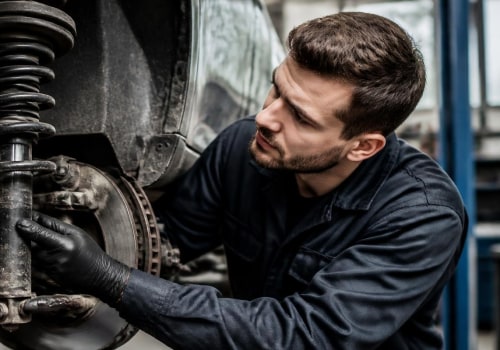
When it comes to car maintenance, one of the most critical yet often overlooked aspects is tire maintenance. Tires are the only point of contact between your vehicle and the road, making their condition vital for both safety and performance. Regularly maintaining your tires not only enhances your vehicle's handling and fuel efficiency but also extends their lifespan, ultimately saving you money in the long run. Proper tire care involves more than just checking air pressure; it includes regular rotations, alignments, and inspections for wear and damage. Neglecting these essential practices can lead to uneven tire wear, reduced traction, and even blowouts, which can pose serious risks on the road.
By prioritizing tire maintenance, you ensure that your vehicle operates smoothly and safely, providing peace of mind for you and your passengers. Moreover, understanding the importance of tire maintenance is crucial for any car owner. It not only contributes to your vehicle's overall performance but also plays a significant role in fuel efficiency. Well-maintained tires can improve gas mileage, which is increasingly important in today's economy. Therefore, incorporating tire maintenance into your regular car care routine is not just a recommendation; it's a necessity for safe driving.
What is Tire Rotation?
Tire rotation is a crucial aspect of car maintenance that involves periodically changing the position of each tire on your vehicle.This process helps to ensure that all tires wear evenly, which can significantly extend their lifespan and improve overall vehicle performance.When we talk about tire rotation, we refer to the systematic movement of tires from one position to another. Typically, this means switching the front tires with the rear tires and vice versa. The specific pattern of rotation can vary depending on the type of vehicle and tire design, but the primary goal remains the same: to promote even wear.
Why is Tire Rotation Important?
- Even Wear: Tires wear differently based on their position on the vehicle. For instance, front tires often bear more weight and experience more friction during turns, leading to faster wear compared to rear tires.
- Improved Handling: Regular tire rotation contributes to better handling and stability while driving.
Unevenly worn tires can lead to poor traction and increased risk of skidding.
- Extended Tire Life: By rotating your tires regularly, you can maximize their lifespan, saving you money in the long run by delaying the need for replacements.
How Often Should You Rotate Your Tires?
When it comes to car maintenance, understanding how often to rotate your tires is crucial for ensuring optimal performance and longevity. Generally, it is recommended to rotate your tires every 5,000 to 7,500 miles, but this can vary based on several factors.Factors Influencing Tire Rotation Frequency
- Vehicle Type: Different vehicles have different tire rotation needs.
For instance, front-wheel drive vehicles may require more frequent rotations compared to rear-wheel drive vehicles due to uneven wear patterns.
- Driving Conditions: If you frequently drive in harsh conditions—such as on rough roads, in heavy traffic, or in extreme weather—your tires may wear out faster, necessitating more regular rotations.
- Tire Type: The type of tires you have can also affect rotation frequency. Performance tires may need to be rotated more often than standard all-season tires.
Recommended Tire Rotation Schedule
- Check your vehicle's owner manual for specific recommendations regarding tire rotation.
- Consider setting a reminder based on your driving habits. If you drive a lot, aim for the lower end of the mileage range.
- Keep an eye on tire tread wear. If you notice uneven wear, it may be time to rotate your tires sooner than the recommended schedule.
Regular rotations are a simple yet effective way to maintain your car's overall health and performance.
Signs That Your Tires Need Rotation
Recognizing the signs that your tires need rotation is crucial for maintaining optimal performance and safety. Here are some key indicators to watch for:- Uneven Tread Wear: If you notice that the tread on your tires is wearing unevenly, it’s a clear sign that they need to be rotated. For instance, the front tires may wear down faster than the rear tires due to steering and weight distribution.
- Tread Depth Variations: Use a tread depth gauge or the penny test to check for variations in tread depth. If one tire has significantly less tread than others, it’s time for a rotation.
- Vibration or Noise: If you experience unusual vibrations or noises while driving, it could indicate that your tires are out of balance or need rotation.
Pay attention to these changes as they can affect your vehicle's handling.
- Vehicle Pulling to One Side: If your car tends to pull to one side while driving, it may be due to uneven tire wear. Regular rotations can help prevent this issue.
Different Tire Rotation Patterns
When it comes to tire rotation, understanding the different patterns is crucial for maintaining your vehicle's performance and extending the lifespan of your tires. Each pattern serves a specific purpose and is suitable for various types of vehicles.Common Tire Rotation Patterns
- Front-to-Back Rotation: This is one of the simplest methods, where the front tires are moved to the back and vice versa.
This pattern is ideal for vehicles with non-directional tires and is commonly used in rear-wheel drive cars.
- Cross Rotation: In this pattern, the front tires are swapped diagonally with the rear tires (i.e., the front left tire goes to the rear right position). This method helps to even out tire wear, especially on front-wheel drive vehicles, where the front tires bear more weight and stress.
- Rearward Cross: Similar to cross rotation, but in this case, the rear tires move forward diagonally. This pattern is often recommended for vehicles with a rear-wheel drive system.
- Side-to-Side Rotation: This method involves switching tires on the same axle. It’s typically used for vehicles with directional tires, which are designed to rotate in a specific direction.
This pattern helps maintain optimal traction and performance.
Choosing the Right Pattern
The choice of tire rotation pattern largely depends on your vehicle type and tire design. For instance, if you own a front-wheel drive car, a cross rotation may be most effective due to the uneven wear caused by engine weight on the front tires. Conversely, if you have a sports car with directional tires, side-to-side rotation would be more appropriate.Always consult your vehicle's owner manual or a professional mechanic to determine the best tire rotation pattern for your specific model. Regularly rotating your tires according to these patterns not only enhances safety but also contributes significantly to overall car maintenance.DIY Tire Rotation: Step-by-Step Guide
Performing a DIY tire rotation can save you money and help maintain your vehicle's performance.Follow this step-by-step guide to ensure you do it safely and effectively.
Tools You Will Need:
- Jack - to lift the vehicle
- Jack stands - for safety while the car is elevated
- Lug wrench - to remove and tighten lug nuts
- Tire pressure gauge - to check tire pressure after rotation
- Torque wrench - to ensure lug nuts are tightened to the manufacturer's specifications
Safety Precautions:
- Always work on a flat, stable surface.
- Engage the parking brake to prevent the vehicle from rolling.
- Use jack stands to support the vehicle once it is lifted.
Tire Rotation Steps:
- Prepare Your Vehicle: Park your car on a level surface and engage the parking brake. Gather all necessary tools.
- Loosen Lug Nuts: Before lifting the car, use the lug wrench to slightly loosen the lug nuts on all four tires. Do not remove them completely yet.
- Lift the Vehicle: Use the jack to lift one side of the vehicle at a time. Place jack stands under the vehicle for safety.
- Remove Tires: Once elevated, remove the lug nuts completely and take off the tires.
Keep them in a safe place.
- Rotate Tires: Depending on your vehicle's drive type (front-wheel, rear-wheel, or all-wheel drive), follow the appropriate rotation pattern. For example, in a front-wheel drive vehicle, move the front tires to the back and cross them over (left front to right rear and vice versa).
- Reinstall Tires: Place each tire back onto its new position and hand-tighten the lug nuts.
- Lower Vehicle: Carefully lower your vehicle back to the ground using the jack, then remove the jack stands.
- Tighten Lug Nuts: Once on the ground, use a torque wrench to tighten each lug nut to the manufacturer’s specifications in a crisscross pattern for even distribution.
- Check Tire Pressure: Finally, use a tire pressure gauge to check and adjust tire pressures as needed.
Professional Tire Rotation Services
When it comes to car maintenance, one of the most crucial yet often overlooked services is tire rotation. While many car owners may attempt to rotate their tires themselves, opting for professional tire rotation services can provide numerous benefits that enhance both safety and performance.Benefits of Professional Tire Rotation
- Expertise: Professionals have the training and experience to identify any underlying issues with your tires or suspension system that may not be apparent to the average driver.
- Proper Equipment: Tire shops are equipped with specialized tools that ensure a thorough and effective rotation, which can help extend the life of your tires.
- Time-Saving: A professional service can complete the rotation quickly, allowing you to get back on the road without the hassle of doing it yourself.
What to Expect During a Service Appointment
During a professional tire rotation appointment, you can expect the following steps:
- The technician will inspect your tires for wear and damage.
- Your tires will be removed and rotated according to the manufacturer's recommendations.
- The technician will check and adjust tire pressure as needed.
- A final inspection will be conducted to ensure everything is in order before you leave.
Cost of Tire Rotation
The average cost of tire rotation can vary based on location and service provider, but you can generally expect to pay between $20 and $50.
Some auto service centers may offer this service for free if you purchase your tires from them. Additionally, many dealerships include tire rotation as part of their maintenance packages, making it a cost-effective option for regular car maintenance.In conclusion, investing in professional tire rotation services not only ensures your tires wear evenly but also contributes significantly to your vehicle's overall safety and performance. If you're unsure where to get your tires rotated, consider local auto shops or dealerships that offer comprehensive maintenance services.
FAQs About Tire Rotation and Car Maintenance
When it comes to tire rotation and car maintenance, many vehicle owners have questions. Here are some of the most frequently asked questions that can help clarify your understanding:- How often should I rotate my tires?
Most experts recommend rotating your tires every 5,000 to 7,500 miles, but this can vary based on your vehicle and driving habits.Always consult your owner’s manual for specific recommendations.
- What are the signs that my tires need to be rotated?
Look for uneven wear patterns, vibrations while driving, or a noticeable decrease in handling performance. If you notice any of these signs, it may be time for a rotation. - Can I rotate my tires myself?
Yes, if you have the right tools and knowledge, you can rotate your tires at home. However, if you're unsure, it's best to have a professional handle it to ensure it's done correctly. - What happens if I don’t rotate my tires?
Neglecting tire rotation can lead to uneven tire wear, which may result in poor handling and increased risk of blowouts. It can also shorten the lifespan of your tires. - Is tire rotation part of regular car maintenance?
Absolutely! Regular tire rotation is a crucial aspect of car maintenance that helps maintain optimal performance and safety.
Regular attention to your tires not only enhances safety but also improves fuel efficiency and extends the life of your tires.
Conclusion: Keeping Your Tires in Top Shape
In conclusion, maintaining your car's tires is a crucial aspect of overall car maintenance that should not be overlooked. Regular tire rotations play a significant role in extending the life of your tires, enhancing safety, and improving fuel efficiency. By adhering to a consistent rotation schedule, typically every 5,000 to 7,500 miles, you can ensure even wear and tear across all four tires.Here are some key takeaways to remember:- Regular rotations help prevent uneven tire wear, which can lead to premature tire replacement.
- Rotating your tires can improve traction and handling, especially in adverse weather conditions.
- Properly maintained tires contribute to better fuel economy, saving you money in the long run.
- Always consult your vehicle's owner manual for specific recommendations regarding tire rotation intervals.
Remember, investing time in regular tire maintenance is an investment in your vehicle's longevity and your safety on the road.By prioritizing tire rotations as part of your comprehensive car maintenance routine, you can enjoy a smoother ride and peace of mind knowing that you are taking the necessary steps to protect your investment.