When it comes to car maintenance, one of the most critical yet often overlooked components is the engine coolant, also known as antifreeze. This vital fluid plays a significant role in regulating your vehicle's temperature, preventing overheating, and protecting the engine from corrosion. Understanding the importance of engine coolant is essential for any car owner who wants to ensure their vehicle runs smoothly and lasts for years. Engine coolant circulates through the engine, absorbing heat and dissipating it through the radiator. Without adequate coolant levels or proper maintenance, your engine can suffer from severe damage due to overheating or freezing in extreme temperatures.
This not only affects performance but can also lead to costly repairs that could have been avoided with regular checks and timely changes of the coolant. Moreover, the effectiveness of antifreeze diminishes over time due to chemical breakdown and contamination. As a result, knowing when to change your engine coolant is crucial for maintaining optimal performance and extending the life of your vehicle. In this article, we will explore the recommended intervals for changing engine coolant and why adhering to these guidelines is a fundamental aspect of effective car maintenance.
What is Engine Coolant and Its Functions?
Engine coolant, also known as antifreeze, is a vital fluid in your vehicle's cooling system. Its primary purpose is to regulate the engine's temperature, ensuring it operates efficiently and safely.Typically composed of a mixture of water and chemical additives, engine coolant plays a crucial role in preventing overheating and maintaining optimal engine performance.The chemical composition of engine coolant usually includes:
- Ethylene glycol or propylene glycol: These are the primary antifreeze agents that lower the freezing point and raise the boiling point of the fluid.
- Corrosion inhibitors: These additives protect metal components within the cooling system from rust and corrosion.
- Water: Acts as a heat transfer medium, helping to dissipate heat away from the engine.
- Temperature Regulation: Engine coolant absorbs heat from the engine and dissipates it through the radiator, preventing overheating.
- Freezing Protection: In colder climates, antifreeze prevents the coolant from freezing, which could lead to severe engine damage.
- Corrosion Prevention: The additives in coolant help protect against rust and corrosion, extending the life of your vehicle's cooling system.
- Inorganic Acid Technology (IAT): Typically green in color, this type is often used in older vehicles.
- Organic Acid Technology (OAT): Usually orange or yellow, OAT coolants are designed for newer vehicles and offer longer-lasting protection.
- Pretreated Coolant (HOAT): A hybrid of IAT and OAT, this type provides enhanced protection for modern engines.
Recommended Intervals for Changing Engine Coolant
When it comes to car maintenance, understanding the recommended intervals for changing engine coolant is crucial for ensuring your vehicle runs smoothly and efficiently. The frequency of coolant changes can vary based on several factors, including the type of coolant used, the make and model of your vehicle, and driving conditions.Manufacturer Guidelines
- Most manufacturers recommend changing engine coolant every 30,000 to 50,000 miles or every 2 to 5 years, depending on the type of coolant.
- For vehicles using extended-life coolants, the interval may be longer, often up to 100,000 miles.
General Best Practices
- Always refer to your vehicle's owner manual for specific recommendations regarding your engine coolant replacement schedule.
- If you frequently drive in extreme conditions—such as high temperatures or heavy traffic—you may need to change your coolant more often.
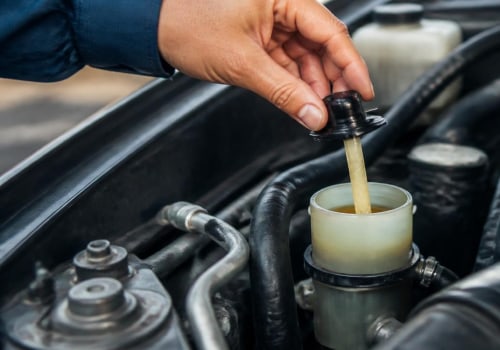
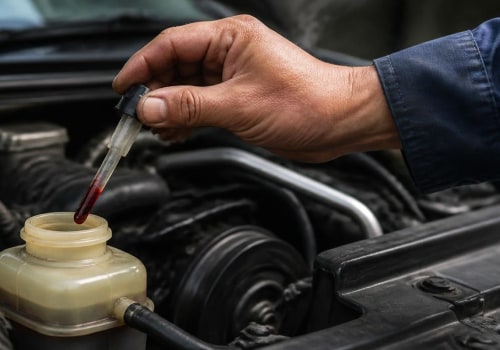
- Regularly check the coolant level and condition; if it appears rusty or contaminated, it’s a sign that a change is necessary.
Signs That It's Time for a Change
- Overheating engine: If your engine is running hotter than normal, it may indicate that the coolant is no longer effective.
- Coolant leaks: Visible leaks under your vehicle can lead to low coolant levels and should be addressed immediately.
- Unusual smells: A sweet smell from the engine bay can indicate a coolant leak or that the coolant is breaking down.
Regular checks and timely replacements are key components of effective car maintenance.
Factors Influencing Coolant Change Frequency
When it comes to car maintenance, understanding the factors that influence the frequency of changing engine coolant or antifreeze is crucial for optimal vehicle performance. Several elements can dictate how often you should replace your coolant, including driving conditions, vehicle age, and personal driving habits.Driving Conditions
Your typical driving environment plays a significant role in determining coolant change intervals. For instance:- Stop-and-go traffic: Frequent idling and short trips can lead to increased engine temperatures, which may degrade coolant more quickly.
- Extreme weather: Hot climates can accelerate coolant breakdown, while cold temperatures may require more frequent checks to ensure antifreeze levels are adequate.
- Towing or heavy loads: If you regularly tow trailers or carry heavy loads, your engine works harder, which can necessitate more frequent coolant changes.
Vehicle Age
The age of your vehicle also impacts how often you should change the coolant. Older vehicles may have:- Worn components: Aging parts can lead to leaks or contamination in the cooling system, requiring more frequent coolant replacement.
- Outdated materials: Older vehicles might use different types of coolant that degrade faster than modern formulations, necessitating a shorter change interval.
Personal Driving Habits
Your individual driving style can further influence coolant longevity.For example:
- Aggressive driving: Rapid acceleration and hard braking can increase engine stress and heat, leading to quicker coolant degradation.
- Regular maintenance: Keeping up with routine checks and services can help identify issues early, allowing for timely coolant changes.
Signs That Your Engine Coolant Needs Changing
Recognizing the signs that your engine coolant needs changing is crucial for effective car maintenance. Ignoring these symptoms can lead to severe engine damage and costly repairs. Here are some key indicators that it’s time to check your coolant:- Overheating Engine: If your engine temperature gauge frequently rises above normal levels, it may indicate that the coolant is no longer effective in regulating temperature.
- Discolored Coolant: Fresh coolant typically has a bright color, such as green, orange, or pink.
If you notice a dark, rusty, or murky appearance, it’s a sign that the coolant is contaminated and should be replaced.
- Sweet Smell: A sweet odor emanating from your engine bay can indicate a coolant leak. If you detect this smell, inspect your coolant levels and look for leaks.
- Low Coolant Levels: Regularly checking your coolant reservoir is essential. If you find that the levels are consistently low without any visible leaks, it may be time to change the antifreeze.
- Bubbles in Radiator: If you see bubbles forming in the radiator when the engine is running, it could indicate a head gasket issue or that the coolant is breaking down.
Always consult your owner’s manual for specific recommendations. By staying vigilant and addressing these symptoms promptly, you can ensure your vehicle runs smoothly and avoid more serious issues down the road.
How to Change Engine Coolant: A Step-by-Step Guide
Changing your engine coolant is a crucial part of car maintenance that helps prevent overheating and ensures your engine runs smoothly. Follow this step-by-step guide to perform a DIY coolant replacement effectively.Tools and Materials Needed
- New coolant/antifreeze (check your owner’s manual for the correct type)
- Coolant flush kit (optional, for thorough cleaning)
- Wrench set
- Screwdriver
- Drain pan
- Funnel
- Safety gloves
- Safety goggles
Step-by-Step Instructions
- Prepare Your Vehicle: Park your car on a level surface and turn off the engine. Allow it to cool completely to avoid burns.
- Locate the Radiator Drain Plug: Find the drain plug at the bottom of the radiator. Place your drain pan underneath it.
- Drain Old Coolant: Open the drain plug and let the old coolant flow into the pan.
Make sure to dispose of it properly, as it is toxic.
- Flush the System (Optional): If you want to ensure all contaminants are removed, use a coolant flush kit according to the product instructions.
- Add New Coolant: Close the drain plug securely. Using a funnel, pour in the new coolant until it reaches the recommended level in the reservoir.
- Check for Leaks: Start your engine and let it run for a few minutes. Check around the radiator and hoses for any leaks.
- Dispose of Old Coolant: Take the old coolant to a recycling center or an auto parts store that accepts hazardous waste.
Common Myths About Engine Coolant Changes
When it comes to engine coolant changes, several myths can lead car owners astray.Understanding the truth behind these misconceptions is crucial for effective car maintenance.
- Myth 1: Coolant never needs to be changed. Many believe that as long as the coolant is at the right level, it doesn’t require replacement. In reality, over time, coolant can become contaminated with rust, scale, and other debris, which can hinder its effectiveness. Regular changes are essential to maintain optimal engine performance.
- Myth 2: All coolants are the same. This is a dangerous misconception. Different vehicles require specific types of coolant formulated for their engines.
Using the wrong type can lead to corrosion and overheating. Always refer to your owner’s manual for the correct specifications.
- Myth 3: You can top off coolant indefinitely. While topping off low coolant levels is acceptable in the short term, it should not replace regular changes. Topping off can dilute the existing coolant mixture, reducing its effectiveness and potentially leading to engine damage.
- Myth 4: Coolant change intervals are the same for all vehicles. Many car owners assume that coolant change intervals are universal. However, different manufacturers recommend varying intervals based on engine design and coolant type.
It’s important to follow your vehicle’s specific maintenance schedule.
FAQs About Engine Coolant and Maintenance
When it comes to engine coolant and car maintenance, many vehicle owners have questions about the best practices for keeping their cooling systems in optimal condition. Here are some frequently asked questions that can help clarify common concerns:- How often should I change my engine coolant?
Most manufacturers recommend changing your engine coolant every 30,000 to 50,000 miles, but it's essential to consult your owner’s manual for specific guidelines related to your vehicle. - What are the signs that my coolant needs to be replaced?
Look for signs such as a sweet smell, discolored fluid, or visible leaks under your vehicle. Additionally, if your engine is overheating or the temperature gauge is consistently high, it may indicate that the coolant is no longer effective. - Can I mix different types of antifreeze?
Mixing different types of antifreeze can lead to chemical reactions that may cause sludge buildup or corrosion.Always use the type of coolant specified in your owner’s manual.
- What happens if I don’t change my coolant?
Failing to change your coolant can lead to overheating, engine damage, and costly repairs. Old coolant can lose its effectiveness in preventing corrosion and maintaining optimal engine temperature. - Is it necessary to flush the cooling system?
Yes, flushing the cooling system is recommended when changing the coolant. This process removes any contaminants and old fluid, ensuring that the new coolant works effectively.
Conclusion: Keeping Your Car's Cooling System Healthy
In conclusion, maintaining your car's cooling system is crucial for ensuring optimal performance and longevity.Regularly changing your engine coolant or antifreeze is a key aspect of car maintenance that should not be overlooked. As discussed, the recommended interval for changing coolant typically ranges from every 30,000 to 50,000 miles, depending on the type of coolant used and the manufacturer's guidelines.Neglecting to change your coolant can lead to a host of problems, including overheating, corrosion of engine components, and reduced efficiency. By adhering to a regular maintenance schedule, you can prevent these issues and keep your vehicle running smoothly.
- Check Manufacturer Recommendations: Always refer to your owner's manual for specific guidelines regarding coolant change intervals.
- Monitor Coolant Condition: Regularly inspect the color and consistency of your coolant. If it appears rusty or has particles floating in it, it’s time for a change.
- Consider Driving Conditions: If you frequently drive in extreme temperatures or heavy traffic, you may need to change your coolant more often.
By doing so, you not only enhance your vehicle's performance but also extend its lifespan, ultimately saving you time and money in the long run.