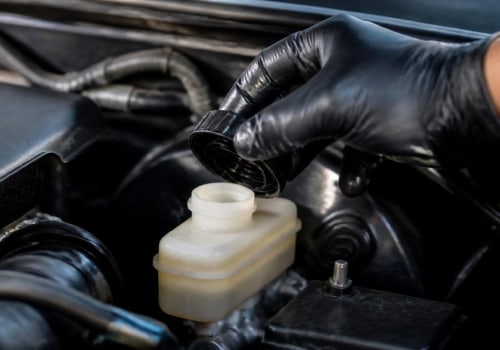
When it comes to car maintenance, one of the most critical yet often overlooked aspects is the condition of your vehicle's transmission fluid. This vital fluid serves multiple functions, including lubricating the moving parts of the transmission, cooling the system, and facilitating smooth gear shifts. Without adequate transmission fluid, your car's performance can suffer significantly, leading to potential damage and costly repairs. Understanding the role of transmission fluid is essential for any car owner. It not only ensures that your vehicle operates efficiently but also extends the lifespan of the transmission system.
A well-maintained transmission can enhance fuel efficiency and provide a smoother driving experience. Conversely, low or dirty transmission fluid can lead to erratic shifting, overheating, and ultimately, transmission failure. Regularly checking and maintaining the correct level of transmission fluid is a simple yet effective way to safeguard your vehicle's health. By prioritizing this aspect of car maintenance, you can prevent minor issues from escalating into major problems, ensuring that your car remains reliable and performs at its best for years to come.
When to Check Your Transmission Fluid Level
Checking your transmission fluid level is a crucial aspect of car maintenance that should not be overlooked. It is generally recommended to check your transmission fluid every 30,000 to 60,000 miles, but this can vary based on your vehicle's make and model.Always refer to your owner’s manual for specific guidelines tailored to your car.In addition to adhering to a regular maintenance schedule, it’s important to be aware of the signs of low transmission fluid. If you notice any of the following symptoms, it may be time to check your fluid:
- Slipping Gears: If your car unexpectedly changes gears or has difficulty staying in gear, this could indicate low transmission fluid.
- Delayed Engagement: A noticeable delay when shifting from park to drive or reverse can signal insufficient fluid levels.
- Unusual Noises: Grinding or whining sounds when the vehicle is in gear may suggest that the transmission is not properly lubricated.
- Fluid Leaks: Puddles of red or brown fluid under your vehicle are a clear sign that you need to check your transmission fluid level.
- Warning Lights: If the transmission warning light on your dashboard illuminates, it’s essential to investigate further.
Tools Needed to Check Transmission Fluid
Checking your car's transmission fluid level is an essential part of car maintenance, and having the right tools can make the process much easier and more efficient.Below is a list of the necessary tools and equipment you will need to effectively check your transmission fluid level.
- Transmission Fluid Dipstick: Most vehicles come equipped with a dipstick specifically for checking transmission fluid. This tool allows you to easily gauge the fluid level and condition.
- Funnel: A funnel is crucial for adding transmission fluid without spilling it everywhere. It helps direct the fluid into the dipstick tube, ensuring a clean and mess-free process.
- Clean Rags or Paper Towels: Keeping some clean rags or paper towels handy is important for wiping off the dipstick and cleaning up any spills that may occur during the process.
- Gloves: Wearing gloves can protect your hands from any harmful chemicals in the transmission fluid, as well as keep them clean during the inspection.
- Flashlight: A flashlight can be helpful, especially if you are checking the fluid in a dimly lit garage or under your vehicle. It allows you to see clearly when inspecting the dipstick and checking for any signs of contamination.
- Owner’s Manual: Your vehicle’s owner manual is an invaluable resource.
It provides specific information about your car’s transmission system, including the type of fluid required and the recommended intervals for checking levels.
Step-by-Step Guide to Checking Your Transmission Fluid Level
Checking your car's transmission fluid level is a crucial part of car maintenance that can help ensure your vehicle runs smoothly. Follow this step-by-step guide to easily check your transmission fluid level.- Gather Your Tools: Before you start, make sure you have the necessary tools. You will need:
- A clean rag or paper towel
- A funnel (if needed)
- Your vehicle's owner manual for specific instructions
- Park Your Vehicle: Ensure your car is parked on a level surface.
This will give you an accurate reading of the fluid level.
- Warm Up the Engine: Start your engine and let it run for a few minutes. This helps the transmission fluid circulate, providing a more accurate reading.
- Locate the Dipstick: Open the hood and locate the transmission dipstick. It is usually labeled and can be found near the back of the engine bay.
- Check the Fluid Level: Pull out the dipstick and wipe it clean with your rag. Reinsert it fully, then remove it again to check the fluid level.
The dipstick will have markings indicating whether the fluid is at a proper level.
- Assess Fluid Condition: While checking the level, also inspect the fluid's color and smell. Healthy transmission fluid should be a bright red color and should not have a burnt smell. If it appears dark or has a burnt odor, it may need to be changed.
- Add Fluid if Necessary: If the fluid level is low, use a funnel to add the appropriate type of transmission fluid as specified in your owner’s manual. Be careful not to overfill.
- Recheck Level: After adding fluid, wait a moment and recheck the level with the dipstick to ensure it’s within the recommended range.
Regular checks can help prevent costly repairs down the line and keep your vehicle running efficiently.
Interpreting the Fluid Level and Condition
Understanding the fluid level and condition of your car's transmission fluid is crucial for effective car maintenance. Regular checks can help you identify potential issues before they escalate into costly repairs.Reading the Transmission Dipstick
To check the fluid level, locate the transmission dipstick, usually found near the back of the engine bay. With the engine running and warmed up, pull out the dipstick, wipe it clean with a lint-free cloth, and reinsert it fully. Remove it again to check the fluid level against the marked indicators on the dipstick.The fluid should ideally be between the minimum and maximum marks.
Transmission Fluid Color Meanings
The color of your transmission fluid can provide valuable insights into its condition:- Bright Red: Indicates healthy fluid, suggesting that it is clean and functioning properly.
- Dark Red or Brown: Suggests that the fluid is old and may need to be replaced soon.
- Black: Indicates burnt fluid, which can be a sign of overheating or internal damage.
- Milky or Cloudy: This could indicate contamination with water or coolant, which requires immediate attention.
Signs of Bad Transmission Fluid
Apart from color, there are other signs that your transmission fluid may be compromised:- Unusual Smell: If the fluid smells burnt, it’s a clear indication that it needs to be changed.
- Slipping Gears: Difficulty in shifting gears can also point to low or degraded transmission fluid.
- Noisy Operation: If you hear whining or clunking noises while driving, this could signal a problem with your transmission fluid.
Common Issues Related to Transmission Fluid Levels
Maintaining the proper level and quality of your car's transmission fluid is crucial for optimal vehicle performance.Low transmission fluid
can lead to a variety of issues that may compromise your car's functionality and safety. One of the most common symptoms of low transmission fluid is slipping gears. This occurs when the transmission fails to engage properly, causing the engine to rev without a corresponding increase in speed.If you notice this happening, it’s essential to check your fluid levels immediately. Another significant issue is overheating. Transmission fluid acts as a coolant, and insufficient fluid can lead to excessive heat buildup. Overheating can cause severe damage to the transmission components, leading to costly repairs. Additionally, you may experience delayed shifting, where there is a noticeable lag when changing gears. This delay can be frustrating and may indicate that your transmission fluid is either low or contaminated. Dirty or degraded transmission fluid can also lead to poor lubrication, which increases friction between moving parts.
This can result in wear and tear on the transmission, ultimately shortening its lifespan. To avoid these car maintenance issues, it’s advisable to regularly check your transmission fluid level and condition. If you notice any of these symptoms, consult a professional mechanic to assess the situation and perform necessary maintenance.
- Symptoms of Low Transmission Fluid:
- Slipping gears
- Overheating
- Delayed shifting
How to Add or Change Transmission Fluid Safely
Maintaining your car's transmission fluid is crucial for ensuring smooth operation and longevity. If you find that your transmission fluid is low or dirty, it’s important to know how to add or change it safely. Here’s a step-by-step guide to help you through the process.Gather Your Supplies
- Transmission fluid (check your owner’s manual for the correct type)
- A funnel
- A clean rag or paper towels
- A jack and jack stands (if necessary)
- A drain pan (for changing fluid)
How to Add Transmission Fluid
- Start by parking your car on a level surface and turning off the engine.
Allow the vehicle to cool down.
- Locate the transmission dipstick, usually found near the back of the engine bay. Pull it out and wipe it clean with a rag.
- Reinsert the dipstick fully, then remove it again to check the fluid level. If it’s below the recommended level, proceed to add fluid.
- Using a funnel, slowly pour the new transmission fluid into the dipstick tube. Add small amounts at a time, checking the level frequently.
- Once the fluid reaches the correct level, replace the dipstick and start your engine.
Let it run for a few minutes, then check the level again to ensure it’s adequate.
How to Change Transmission Fluid
- Begin by lifting your vehicle with a jack and securing it with jack stands.
- Place a drain pan under the transmission pan and remove the drain plug (if equipped) or unbolt the pan to let old fluid drain out completely.
- Once drained, replace the drain plug or reattach the pan with new gaskets if necessary.
- Pour new transmission fluid into the dipstick tube using a funnel, following manufacturer recommendations for quantity.
- Start your engine and let it run for a few minutes while checking for leaks. Recheck the fluid level and add more if needed.
DIY car maintenance
can save you time and money, but always consult your vehicle's manual for specific instructions related to your make and model. Regularly checking and maintaining your transmission fluid will help keep your car running smoothly.
Frequently Asked Questions About Transmission Fluid Maintenance
Maintaining your car's transmission fluid is crucial for ensuring smooth operation and longevity of your vehicle. Here are some frequently asked questions regarding transmission fluid maintenance:- How often should I check my transmission fluid?
It is recommended to check your transmission fluid at least once a month, especially if you notice any signs of trouble, such as slipping gears or unusual noises. - What are the signs that my transmission fluid needs to be changed?
Common indicators include a burnt smell, dark or gritty fluid, and difficulty shifting gears.If you experience any of these symptoms, it’s time to consider a change.
- How often should I change my transmission fluid?
Most manufacturers suggest changing the transmission fluid every 30,000 to 60,000 miles. However, this can vary based on your driving habits and the type of vehicle you own. Always refer to your owner’s manual for specific recommendations. - Can I change my transmission fluid myself?
Yes, changing your transmission fluid can be a DIY task if you have the right tools and knowledge. However, it’s important to follow the correct procedure to avoid damaging your vehicle. - What type of transmission fluid should I use?
Different vehicles require different types of transmission fluid.Always consult your owner’s manual or a professional mechanic to ensure you’re using the correct type for your car.
Conclusion: Keeping Your Car's Transmission Healthy
In conclusion, maintaining your car's transmission fluid is crucial for ensuring the longevity and performance of your vehicle. Regular checks of the transmission fluid level can help you identify potential issues before they escalate into costly repairs. By following the steps outlined in this article, you can easily monitor your transmission fluid and keep your car running smoothly.Key Takeaways:
- Check your transmission fluid level regularly, ideally every few months or as recommended in your owner’s manual.
- Use the correct type of transmission fluid specified for your vehicle to avoid damaging the transmission.
- Look for signs of contamination or unusual odors, which may indicate a need for a fluid change or further inspection.
- Don’t hesitate to consult a professional mechanic if you notice any irregularities during your checks.
Make it a habit to check your transmission fluid regularly, and you’ll be taking a significant step towards keeping your car in top condition.