When it comes to car maintenance, one of the most critical yet often overlooked components is the brake fluid. This vital fluid plays a significant role in the overall performance and safety of your vehicle's braking system. Without adequate brake fluid, your car's ability to stop effectively can be compromised, leading to potentially dangerous situations on the road. Understanding the importance of brake fluid is essential for any car owner who values safety and reliability. Brake fluid serves as a hydraulic medium that transfers force from the brake pedal to the brake components, allowing your vehicle to slow down or come to a complete stop.
Over time, however, brake fluid can become contaminated with moisture and debris, which can diminish its effectiveness. Regularly checking and maintaining the proper level of brake fluid is not just a routine task; it is a crucial aspect of brake system care that ensures your vehicle operates safely and efficiently. Moreover, neglecting to monitor your brake fluid can lead to more severe issues, such as brake failure or costly repairs down the line. By prioritizing this simple yet essential maintenance task, you not only enhance your vehicle's performance but also extend its lifespan. In the following sections, we will delve deeper into how to check your car's brake fluid level and what steps you can take to maintain it effectively.
What is Brake Fluid and Its Role in Your Vehicle?
Brake fluid is a crucial hydraulic fluid used in the braking system of vehicles.It plays an essential role in ensuring that your car can stop effectively and safely. When you press the brake pedal, the brake fluid transmits the force from your foot to the brake components, allowing your vehicle to slow down or come to a complete stop.Understanding the function of brake fluid is vital for any car owner. The primary function of brake fluid is to transfer force within the hydraulic braking system. This means that when you apply pressure to the brake pedal, the fluid moves through the brake lines and activates the brake calipers or drums, which then clamp down on the brake pads or shoes, creating friction that slows down the wheels.
Types of Brake Fluid
There are several types of brake fluid, each with unique properties and specifications:- DOT 3: A glycol-based fluid that is commonly used in many vehicles.
It has a lower boiling point compared to other types, making it suitable for standard driving conditions.
- DOT 4: This type has a higher boiling point than DOT 3 and is often used in performance vehicles or those that experience more demanding driving conditions.
- DOT 5: A silicone-based fluid that does not absorb moisture, making it ideal for classic cars or vehicles stored for long periods. However, it is not compatible with other types of brake fluids.
- DOT 5.1: Similar to DOT 4 but with an even higher boiling point, this fluid is suitable for high-performance applications and offers excellent resistance to moisture absorption.
How to Locate Your Car's Brake Fluid Reservoir
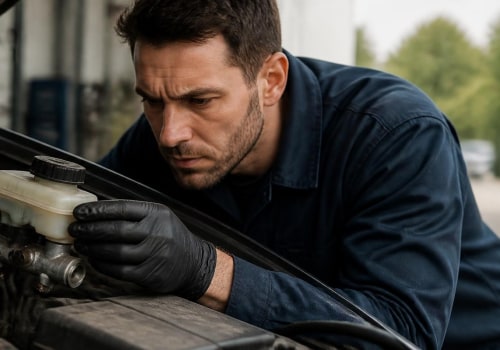
Locating your car's brake fluid reservoir is a crucial step in maintaining your vehicle's braking system.The reservoir is typically a translucent plastic container that allows you to easily check the fluid level without opening it. Here’s how to find it:
- Check the Owner's Manual: The most reliable source for locating the brake fluid reservoir is your vehicle's owner manual. It will provide specific details about its location based on your car model.
- Common Locations: In most vehicles, the brake fluid reservoir is located near the back of the engine bay, close to the driver's side. Look for a small container with a cap labeled "brake fluid" or a similar indication.
- Different Models: Depending on your car model, the reservoir may be positioned differently:
- For sedans and hatchbacks: Typically found near the master cylinder, which is often mounted on the driver's side firewall.
- SUVs and trucks: May have the reservoir located on either side of the engine bay, sometimes closer to the front.
- Sports cars: Often have unique layouts; check under the hood for any non-standard placements.
Once you find the reservoir, inspect it for any signs of leaks or damage, as these can affect your braking performance.
Regular maintenance
, including checking your brake fluid level, is essential for safe driving. Make it a habit to check this fluid during routine inspections or oil changes to ensure your braking system functions optimally.Step-by-Step Guide to Checking Brake Fluid Level
Checking your car's brake fluid level is a crucial part of car maintenance that ensures your vehicle operates safely. Follow these simple steps to inspect your brake fluid effectively:- Gather Your Tools: Before you start, make sure you have the necessary tools.
You will need a clean cloth, a flashlight, and possibly a funnel if you need to add fluid.
- Locate the Brake Fluid Reservoir: Open the hood of your car and locate the brake fluid reservoir. This is usually a small, translucent container near the back of the engine bay, often labeled with a brake symbol.
- Check the Fluid Level: Look at the markings on the side of the reservoir. There are typically two lines indicating the minimum and maximum levels. The fluid should be between these two lines.
If it’s below the minimum line, it’s time to add more fluid.
- Inspect Fluid Condition: While checking the level, also take a moment to inspect the condition of the brake fluid. It should be clear or slightly yellow. If it appears dark or contaminated, it may need to be replaced.
- Add Brake Fluid if Necessary: If you find that the fluid is low, carefully remove the cap from the reservoir. Using a funnel, add the appropriate type of brake fluid (check your owner’s manual for specifications) until it reaches the maximum line.
Be careful not to spill any fluid on your car’s paint.
- Replace the Cap: After adding fluid, securely replace the cap on the reservoir to prevent contamination and evaporation.
- Close the Hood: Finally, close your car’s hood and ensure everything is in place before taking your vehicle for a test drive.
Signs That Your Brake Fluid Needs Attention
Understanding the signs that your brake fluid needs attention is crucial for maintaining your vehicle's safety and performance. Here are some common indicators that suggest your brake fluid may be low or contaminated:- Brake Warning Light: One of the first signs to look for is the illumination of the brake warning light on your dashboard. This light can indicate various issues, including low brake fluid levels.
- Soft or Spongy Brake Pedal: If you notice that your brake pedal feels soft or spongy when pressed, it could be a sign of low brake fluid.
This symptom indicates that there may not be enough fluid to create the necessary hydraulic pressure for effective braking.
- Increased Stopping Distance: If your car takes longer to stop than usual, it may be time to check your brake fluid. Low or contaminated fluid can lead to decreased braking efficiency, making it harder to stop your vehicle promptly.
- Fluid Color and Clarity: Regularly inspect the color and clarity of your brake fluid. Fresh brake fluid is typically clear or slightly yellow. If it appears dark or murky, it may be contaminated and should be replaced.
- Unusual Noises: Listen for any unusual noises when applying the brakes, such as grinding or squeaking sounds.
These noises can indicate that the brake components are not functioning properly, potentially due to low brake fluid levels.
How to Top Off or Change Your Brake Fluid Safely
Maintaining your car's brake fluid is crucial for ensuring safe driving.If you find that your brake fluid level is low, it’s important to know how to top off or change it safely. Here’s a step-by-step guide to help you through the process.
Tools and Materials Needed:
- New brake fluid (check your owner’s manual for the correct type)
- Clean funnel
- Lint-free cloth or paper towels
- Gloves (optional, but recommended)
- Safety goggles (for added protection)
Steps to Top Off Brake Fluid:
- Locate the Brake Fluid Reservoir: Open your car’s hood and find the brake fluid reservoir, usually located near the back of the engine bay. It’s typically a translucent plastic container with a cap labeled "brake fluid".
- Check the Fluid Level: Inspect the fluid level against the markings on the side of the reservoir. If it’s below the "MIN" line, it’s time to add more fluid.
- Add Brake Fluid: Remove the cap carefully and use a clean funnel to pour in new brake fluid until it reaches the "MAX" line.
Avoid overfilling, as this can lead to leaks.
- Seal and Clean Up: Replace the cap securely and wipe away any spilled fluid with a lint-free cloth. Dispose of any used materials properly.
Steps to Change Brake Fluid Safely:
- Prepare Your Workspace: Ensure you’re in a well-ventilated area and wear gloves and goggles for protection.
- Remove Old Fluid: Using a turkey baster or siphon, remove old brake fluid from the reservoir. Dispose of it according to local regulations.
- Add New Brake Fluid: Fill the reservoir with new brake fluid as described above.
- Purge Air Bubbles: To ensure optimal performance, you may need to bleed your brakes to remove any air bubbles trapped in the system. This process typically requires assistance or special tools.
Final Precautions:
Always check your vehicle’s owner manual for specific instructions related to your make and model.
Remember that brake fluid is corrosive; avoid spilling it on painted surfaces. Regularly checking and maintaining your brake fluid not only enhances safety but also contributes to overall car maintenance.
Frequently Asked Questions About Brake Fluid and Maintenance
Understanding your car's brake fluid and maintenance is crucial for ensuring your vehicle operates safely. Here are some frequently asked questions regarding brake fluid and general car maintenance:- What is brake fluid?
Brake fluid is a hydraulic fluid that transfers force from the brake pedal to the brake components, allowing your vehicle to stop effectively. - How often should I check my brake fluid?
It’s recommended to check your brake fluid at least once a month, especially if you notice any changes in braking performance. - What are the signs of low brake fluid?
Common signs include a soft or spongy brake pedal, warning lights on the dashboard, or unusual noises when braking. - Can I top off my brake fluid myself?
Yes, you can add brake fluid yourself, but ensure you use the correct type specified in your owner’s manual. Always clean the area around the reservoir before opening it to prevent contamination. - What should I do if my brake fluid is low?
If your brake fluid is low, top it off and monitor for leaks.If the level drops again quickly, consult a mechanic as there may be a leak in the system.
- Always use the manufacturer-recommended type of brake fluid.
- Check for discoloration; clean, clear fluid is ideal. If it appears dark or contaminated, consider a full flush.
- Inspect brake lines and connections for any signs of wear or leaks during routine maintenance checks.
Conclusion: Keeping Your Brake System in Top Condition
In conclusion, maintaining your car's brake system is crucial for ensuring your safety on the road. Regularly checking your brake fluid level is a simple yet vital part of car maintenance that can prevent serious issues down the line. As we discussed, brake fluid plays a key role in the hydraulic system that allows your brakes to function effectively.Here are some key takeaways to remember:- Check your brake fluid level regularly: Make it a habit to inspect your brake fluid at least once a month or before long trips.
- Know the signs of low brake fluid: Be aware of warning lights on your dashboard, changes in brake responsiveness, or unusual noises when braking.
- Use the correct type of brake fluid: Always refer to your vehicle’s owner manual to ensure you are using the right type of brake fluid for your specific make and model.
- Seek professional help if needed: If you notice any irregularities or if your brake fluid is consistently low, consult a mechanic to check for leaks or other underlying issues.
Remember, a well-maintained brake system is essential for effective stopping power and overall vehicle performance. Don’t overlook this critical aspect of car maintenance; it could save your life and the lives of others on the road.