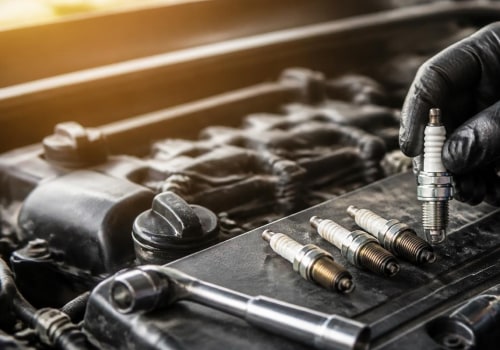
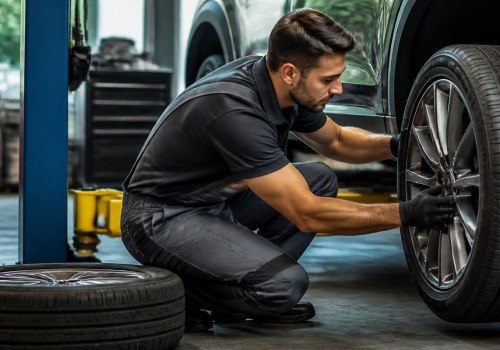
Maintaining a vehicle is crucial for ensuring its longevity and performance, yet many car owners overlook essential aspects of car maintenance. Understanding the common mistakes made during car upkeep can save you time, money, and frustration in the long run. From neglecting routine checks to misunderstanding warning signs, these errors can lead to significant issues that could have been easily avoided. One of the most prevalent car maintenance mistakes is skipping regular oil changes. Oil is the lifeblood of your engine, and failing to change it at recommended intervals can result in decreased performance and even engine failure.
Additionally, many drivers forget to check their tire pressure regularly, which can lead to uneven tire wear and reduced fuel efficiency. These simple tasks are often overlooked but are vital for maintaining a vehicle's health. Another common error is ignoring the importance of brake maintenance. Worn-out brake pads can compromise safety and lead to costly repairs if not addressed promptly. Furthermore, many car owners underestimate the value of keeping their vehicles clean, both inside and out.
Regular washing and waxing not only enhance the car's appearance but also protect the paint and body from rust and corrosion. By being aware of these frequent car upkeep tips, you can take proactive steps to avoid costly repairs and ensure your vehicle remains in optimal condition. In the following sections, we will delve deeper into specific mistakes and provide actionable advice to help you maintain your car effectively.
Neglecting Regular Oil Changes
One of the most critical aspects of car maintenance is ensuring that you perform regular oil changes. Engine oil plays a vital role in lubricating the moving parts of your vehicle, reducing friction, and preventing overheating. Neglecting to change your oil at the recommended intervals can lead to severe consequences.Oil Change Frequency
- Most manufacturers recommend changing your oil every 5,000 to 7,500 miles, but this can vary based on your vehicle type and driving conditions.
- If you frequently drive in stop-and-go traffic, tow heavy loads, or operate in extreme temperatures, you may need to change your oil more often.
Importance of Oil Changes
Regular oil changes are essential for maintaining engine health.
Over time, engine oil breaks down and becomes less effective at lubricating and protecting engine components. Dirty oil can lead to sludge buildup, which can clog vital passages and result in decreased performance or even catastrophic engine failure.
Signs of Oil Issues
- Check Engine Light: If this light illuminates on your dashboard, it could indicate an oil-related issue.
- Oil Pressure Warning: A drop in oil pressure can signal that your oil is too dirty or low.
- Unusual Noises: Knocking or ticking sounds from the engine may suggest inadequate lubrication due to old or insufficient oil.
- Oil Leaks: Puddles of oil under your car can indicate a leak that needs immediate attention.
Ignoring Tire Maintenance
One of the most common mistakes in car maintenance is ignoring tire maintenance, which can lead to serious safety issues and decreased fuel efficiency. Regularly checking your tire pressure is crucial, as under-inflated tires can cause poor handling and increased wear.It’s recommended to check your tire pressure at least once a month and before long trips. The correct pressure can usually be found on a sticker inside the driver’s door or in the owner’s manual.Another frequent oversight is neglecting tire rotations. Tires wear unevenly based on their position on the vehicle, and failing to rotate them can lead to premature wear and the need for early replacement. Most experts suggest rotating your tires every 5,000 to 7,500 miles, but always refer to your vehicle's manual for specific recommendations.
Signs of Tire Wear
Being aware of the signs of tire wear is essential for maintaining your vehicle's safety and performance.Here are some indicators that your tires may need attention:
- Tread Depth: Use the penny test; insert a penny into the tread with Lincoln's head down. If you can see all of Lincoln's head, it’s time for new tires.
- Uneven Wear: Check for uneven wear patterns across the tire surface, which could indicate alignment issues or improper inflation.
- Cracks or Bulges: Inspect the sidewalls for any visible cracks or bulges, as these can lead to blowouts.
- Noisy Tires: If you hear unusual noises while driving, it may be a sign of worn-out tires or other issues that need addressing.
Overlooking Brake System Care
When it comes to car maintenance, one of the most critical yet often overlooked aspects is the care of the brake system. Neglecting this vital component can lead to severe safety risks on the road.Brake Maintenance Tips:
Regularly inspecting your brakes is essential. Here are some key tips to ensure your brake system remains in optimal condition:
- Check Brake Pads: Inspect your brake pads for wear and tear.
If they are less than a quarter-inch thick, it’s time for a replacement.
- Monitor Brake Fluid: Brake fluid should be clear and at the appropriate level. If it appears dark or murky, it may need to be flushed and replaced.
- Listen for Noises: Pay attention to any unusual sounds when braking, such as squeaking or grinding, which can indicate that your brake pads are worn out.
- Feel for Vibration: If you experience vibrations when applying the brakes, this could signal warped rotors that require immediate attention.
Signs of Brake Issues:
Being aware of the signs of brake problems can help you address issues before they escalate. Common indicators include:
- Soft or Spongy Pedal: If your brake pedal feels soft or sinks to the floor, it may indicate a problem with the brake fluid or air in the brake lines.
- Warning Lights: Many vehicles have dashboard warning lights that indicate brake system issues. Don’t ignore these alerts!
- Pulling to One Side: If your car pulls to one side when braking, it could mean uneven wear on your brake pads or issues with your brake calipers.
The Importance of Brake Fluid:
Brake fluid plays a crucial role in your vehicle's braking system.
It transfers force from the brake pedal to the brakes themselves. Regularly checking and replacing your brake fluid is essential for maintaining effective braking performance. Old or contaminated fluid can lead to decreased braking efficiency and even complete brake failure.In summary, prioritizing brake maintenance is not just about keeping your car in good shape; it's about ensuring your safety and that of others on the road. By staying vigilant and addressing any signs of trouble promptly, you can avoid dangerous situations and costly repairs down the line.
Failing to Replace Worn-Out Parts
One of the most critical aspects of car maintenance is the timely replacement of worn-out parts.Ignoring these components can lead to severe consequences, including costly repairs and safety hazards. Common car parts that often require replacement include belts, hoses, brake pads, and filters.
Signs of Worn-Out Parts
- Belts: Look for cracks, fraying, or squeaking noises. A worn-out belt can lead to engine failure.
- Hoses: Check for leaks, bulges, or soft spots. Damaged hoses can cause coolant leaks and overheating.
- Brake Pads: Listen for squealing or grinding sounds when braking.
Worn brake pads can significantly reduce stopping power.
- Filters: Dirty air and oil filters can affect engine performance and fuel efficiency.
Neglecting Fluid Levels and Quality
One of the most critical aspects of car maintenance is ensuring that all fluid levels are adequately checked and maintained.Many vehicle owners overlook this essential task, leading to potential damage and costly repairs.There are several types of fluids that require regular monitoring:
- Engine Oil: Essential for lubricating engine components, preventing wear and tear.
- Coolant: Helps regulate engine temperature and prevents overheating.
- Transmission Fluid: Vital for smooth gear shifts and overall transmission health.
- Brake Fluid: Critical for safe braking performance.
- Power Steering Fluid: Ensures easy steering and maneuverability.
Importance of Fluid Quality
It's not just about having enough fluid; the quality matters significantly.
Using the wrong type of fluid or mixing different brands can cause serious issues. For example, mixing different types of transmission fluid can lead to slippage or complete transmission failure. Always refer to your vehicle's owner manual for the correct specifications.In summary, regularly checking and maintaining fluid levels and quality is a fundamental part of car maintenance. By staying vigilant about these aspects, you can prevent minor issues from escalating into major problems, ensuring your vehicle runs smoothly and efficiently for years to come.
Ignoring Warning Lights and Dashboard Alerts
One of the most critical mistakes car owners make is ignoring warning lights and dashboard alerts.These indicators are designed to provide essential information about your vehicle's health and performance. When a warning light illuminates, it is not merely a suggestion to check your car; it is a signal that something may be wrong and requires immediate attention.
Understanding Dashboard Warning Lights
- Check Engine Light: This light can indicate a range of issues, from minor problems like a loose gas cap to more severe engine malfunctions.
- Oil Pressure Warning: If this light comes on, it could mean that your engine oil level is low or that there is an issue with the oil pump.
- Battery Alert: This indicates potential issues with your car's electrical system, such as a failing battery or alternator.
Proactive diagnostics can help identify issues before they escalate into major problems.
The Importance of Car Diagnostics
Regular diagnostics not only help in understanding the meanings behind dashboard warning lights but also ensure that your vehicle operates efficiently. By utilizing diagnostic tools, mechanics can pinpoint issues accurately and recommend necessary repairs. This proactive approach not only saves money but also enhances safety on the road.In conclusion, paying attention to dashboard alerts and understanding their meanings is crucial for effective car maintenance. By addressing these warnings promptly, you can avoid unnecessary expenses and ensure your vehicle remains in optimal condition.
Skipping Seasonal Maintenance Checks
One of the most common mistakes car owners make is skipping seasonal maintenance checks.These checks are crucial for ensuring that your vehicle performs optimally throughout the year, especially during extreme weather conditions. Neglecting these seasonal inspections can lead to serious performance issues, increased wear and tear, and even safety hazards.
Winter Car Care
As winter approaches, it’s essential to prepare your vehicle for cold temperatures and potential snow or ice. Here are some key areas to focus on:- Battery Health: Cold weather can significantly reduce battery efficiency. Check your battery's charge and connections to avoid being stranded in freezing temperatures.
- Tires: Ensure your tires have adequate tread depth and consider switching to winter tires for better traction on icy roads.
- Fluids: Check antifreeze levels and ensure that your windshield washer fluid is rated for low temperatures to maintain visibility.
Summer Vehicle Prep
As the heat of summer sets in, it’s equally important to prepare your car for high temperatures.Here are some tips:
- Cooling System: Inspect the radiator and cooling system to prevent overheating. Ensure that coolant levels are sufficient and that there are no leaks.
- Tire Pressure: Heat can cause tire pressure to rise, leading to blowouts. Regularly check and adjust tire pressure according to manufacturer recommendations.
- Air Conditioning: Test your air conditioning system before the heat hits. A well-functioning AC system is vital for comfort during hot months.
Remember, a little proactive care goes a long way in extending the life of your car.
DIY Maintenance Mistakes to Avoid
When it comes to DIY car maintenance, many vehicle owners are eager to save money and take matters into their own hands. However, there are several common mistakes that can lead to costly repairs down the line. Understanding these pitfalls is crucial for maintaining your vehicle effectively.Common DIY Maintenance Mistakes
- Neglecting the Owner's Manual: Every vehicle comes with an owner's manual that outlines specific maintenance schedules and procedures. Ignoring these guidelines can result in missed services or incorrect procedures.
- Using the Wrong Fluids: Whether it's engine oil, coolant, or transmission fluid, using the wrong type can cause serious damage.
Always check specifications before purchasing fluids.
- Overlooking Tire Maintenance: Many DIY enthusiasts forget about tire rotation and pressure checks. Neglecting these can lead to uneven wear and reduced fuel efficiency.
- Improperly Installing Parts: Whether it's a new battery or brake pads, incorrect installation can lead to safety issues. If you're unsure, consult a professional.
- Ignoring Warning Lights: DIYers often dismiss dashboard warning lights as minor annoyances. However, these indicators can signal serious issues that require immediate attention.
When to Seek Professional Help
While many maintenance tasks can be handled at home, there are times when it's best to consult a professional mechanic.If you encounter any of the following situations, consider seeking expert assistance:
- Complex Repairs: Tasks like engine overhauls or transmission replacements are best left to professionals due to their complexity.
- Lack of Tools or Experience: If you don't have the right tools or feel uncomfortable performing a task, it's safer to hire a mechanic.
- Persistent Issues: If a problem persists despite your attempts at DIY fixes, it may indicate a deeper issue that requires professional diagnostics.
Conclusion: Key Takeaways on Car Maintenance Mistakes
In conclusion, understanding the common mistakes made during car maintenance is crucial for every vehicle owner. By recognizing these pitfalls, you can take proactive steps to ensure your car remains in optimal condition, enhancing both its longevity and your safety on the road. Here are some key takeaways:- Neglecting Regular Maintenance: Skipping routine checks such as oil changes, tire rotations, and brake inspections can lead to severe issues down the line. Establish a maintenance schedule and stick to it.
- Ignoring Warning Lights: Dashboard warning lights are there for a reason. Ignoring them can result in costly repairs.
Always address these alerts promptly.
- Using Incorrect Fluids: Using the wrong type of oil or coolant can damage your engine. Always refer to your owner’s manual for specifications.
- Overlooking Tire Care: Proper tire maintenance, including checking pressure and tread depth, is essential for safety and fuel efficiency. Rotate your tires regularly and replace them when necessary.
- DIY Repairs Without Knowledge: While some car repairs can be done at home, attempting complex repairs without proper knowledge can lead to more significant problems. When in doubt, consult a professional.
Remember, a well-maintained car is a reliable car.