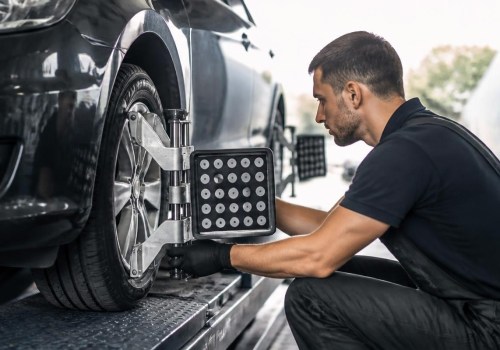
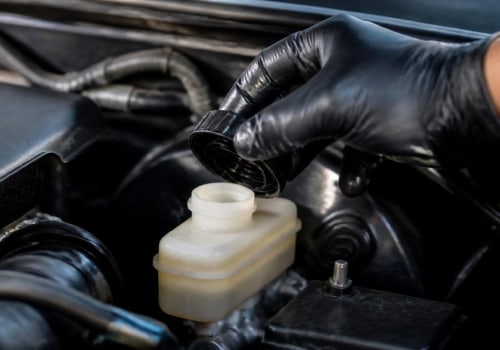
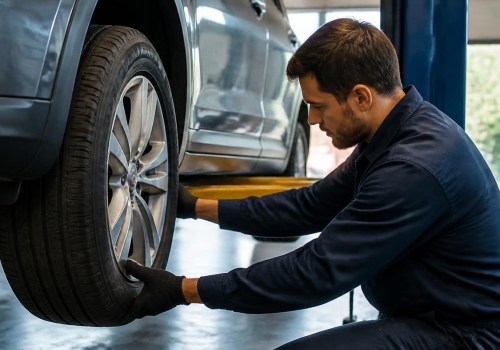
When it comes to ensuring the longevity and performance of your vehicle, car maintenance plays a crucial role. Regular upkeep not only enhances the driving experience but also prevents costly repairs down the line. Many car owners underestimate the importance of maintaining their vehicles, often leading to diminished performance and safety risks. By prioritizing regular car maintenance, you can significantly extend the life of your vehicle and improve its efficiency. One of the key aspects of car maintenance is understanding how various components, such as the air filter, contribute to overall vehicle health.
The air filter is essential for keeping dirt and debris out of the engine, ensuring that it runs smoothly and efficiently. Neglecting this simple yet vital component can lead to reduced fuel efficiency and increased emissions, ultimately affecting your wallet and the environment. Moreover, regular maintenance checks can help identify potential issues before they escalate into major problems. This proactive approach not only saves you money but also enhances your safety on the road. In this article, we will delve deeper into specific maintenance tasks, starting with how often you should replace your car's air filter, to ensure that your vehicle remains in optimal condition.
What is a Car Air Filter?
A car air filter is a crucial component of your vehicle's engine system, designed to prevent dirt, debris, and other contaminants from entering the engine.By filtering the air that flows into the engine, it ensures that only clean air is mixed with fuel for combustion, which is essential for optimal engine performance.The primary function of a car air filter is to maintain the efficiency of the engine. A clean air filter allows for better airflow, which can enhance fuel efficiency and improve overall engine performance. Conversely, a clogged or dirty air filter can restrict airflow, leading to reduced power output, increased fuel consumption, and even potential engine damage over time.
Types of Car Air Filters
- Panel Air Filters: These are the most common type found in many vehicles. They are flat and rectangular, fitting into a designated compartment in the engine bay.
- Cylindrical Air Filters: Typically used in older vehicles or specific models, these filters are round and often found in the carburetor or intake manifold.
- High-Performance Air Filters: Made from advanced materials, these filters are designed to provide better airflow and filtration.
They are often reusable and can enhance engine performance.
- Cabin Air Filters: While not directly related to engine performance, these filters clean the air entering the vehicle's cabin, improving air quality for passengers.
Signs That Your Air Filter Needs Replacement
Recognizing the signs of a dirty air filter is crucial for maintaining your vehicle's performance and efficiency. A clean air filter is essential for optimal engine function, and neglecting it can lead to various issues. Here are some common symptoms of a bad air filter that you should watch for:- Reduced Engine Performance: If you notice a decrease in acceleration or overall power, it may be due to a clogged air filter restricting airflow to the engine.
- Decreased Fuel Efficiency: A dirty air filter can cause your engine to work harder, leading to increased fuel consumption. If you find yourself filling up more often, it might be time to check the air filter.
- Unusual Engine Sounds: If your engine starts making strange noises, such as sputtering or backfiring, it could indicate that the air filter is not allowing enough air into the combustion chamber.
- Check Engine Light: In some cases, a dirty air filter can trigger the check engine light.
If this light appears on your dashboard, it's wise to investigate further.
- Visible Dirt and Debris: If you can access your air filter, inspect it visually. A filter that appears dark or clogged with dirt and debris is a clear sign that it needs replacement.
How Often Should You Replace Your Car's Air Filter?
Replacing your car's air filter is a crucial aspect of car maintenance that can significantly impact your vehicle's performance and longevity. The frequency of replacement can vary based on several factors, including driving conditions, the type of air filter used, and manufacturer recommendations.General Guidelines
- Most manufacturers recommend replacing the air filter every 12,000 to 15,000 miles.
- If you frequently drive in dusty or polluted environments, consider changing it more often, possibly every 6,000 to 10,000 miles.
- For those who drive primarily in urban areas with heavy traffic, a more frequent replacement schedule may also be beneficial.
Signs That Indicate a Need for Replacement
- If you notice a decrease in engine performance or fuel efficiency, it may be time to check your air filter.
- A visible inspection can also help; if the filter appears dirty or clogged, it should be replaced.
- Pay attention to any unusual noises from the engine or a check engine light that may indicate air flow issues.
Consult Your Owner's Manual
Your vehicle's owner manual is an excellent resource for understanding the recommended air filter change interval.
Following these guidelines ensures that your car runs efficiently and helps prevent potential engine problems down the line.In summary, while a general rule of thumb is to replace your air filter every 12,000 to 15,000 miles, individual driving conditions and vehicle specifications should guide your specific replacement schedule. Regular checks and maintenance will keep your car performing at its best.
Factors Affecting Air Filter Lifespan
When it comes to car maintenance, understanding the factors that affect the lifespan of your air filter is crucial for ensuring optimal engine performance. Several elements can influence how often you should replace your air filter, including your driving habits and the environmental conditions in which you operate your vehicle.Driving Conditions
Your typical driving conditions play a significant role in determining the longevity of your air filter. For instance:- City Driving: Frequent stops and starts in urban environments can lead to increased dust and debris entering the engine, causing the air filter to clog more quickly.
- Highway Driving: While highway driving generally exposes your vehicle to less particulate matter, long trips can still accumulate dirt over time, necessitating regular checks.
- Off-Roading: If you frequently drive on unpaved roads or in rugged terrains, your air filter will likely need replacement sooner due to higher exposure to dirt and contaminants.
Environmental Effects
The environment in which you live also significantly impacts your air filter's lifespan.Consider the following:
- Pollution Levels: Urban areas with high pollution levels can introduce more harmful particles into your engine, leading to a shorter lifespan for your air filter.
- Climate: In regions with heavy pollen or dust, such as during spring or dry seasons, air filters may become clogged faster than in cleaner environments.
- Humidity: High humidity can lead to moisture accumulation, which may affect the filter's efficiency and promote mold growth.
DIY Air Filter Inspection and Replacement Tips
Maintaining your car's air filter is a crucial aspect of car maintenance that can significantly impact your vehicle's performance. Regular inspections and timely replacements can enhance fuel efficiency and prolong engine life. Here are some practical tips for inspecting and replacing your air filter at home.How to Inspect Your Air Filter
- Locate the Air Filter: Typically found in a rectangular or cylindrical housing near the engine, consult your owner’s manual for specific location details.
- Visual Inspection: Remove the air filter from its housing and hold it up to a light source.
If you can’t see light passing through, it’s time for a replacement.
- Check for Dirt and Debris: Look for excessive dirt, leaves, or other debris that may have accumulated. A clean filter should be mostly white or off-white.
DIY Air Filter Replacement Steps
- Gather Your Tools: You’ll need a new air filter (make sure it’s the correct type for your vehicle), a screwdriver, and possibly a socket wrench.
- Remove the Old Filter: Unscrew or unclip the air filter housing cover. Carefully take out the old filter, noting how it was positioned.
- Install the New Filter: Place the new air filter in the same orientation as the old one. Ensure it fits snugly in its housing.
- Reassemble the Housing: Replace the cover and secure it with screws or clips.
Make sure everything is tightly fastened to prevent any air leaks.
Frequently Asked Questions About Car Air Filters
When it comes to car maintenance, understanding your vehicle's air filter is crucial. Here are some frequently asked questions that can help clarify its importance and maintenance needs.1.How often should I replace my car's air filter?
Generally, it is recommended to replace your car's air filter every 12,000 to 15,000 miles.However, this can vary based on driving conditions. If you frequently drive in dusty or polluted environments, you may need to change it more often.
2.What are the signs that my air filter needs replacing?
- Reduced engine performance: If you notice a decrease in acceleration or power, it could be due to a clogged air filter.
- Poor fuel economy: A dirty air filter can restrict airflow, leading to increased fuel consumption.
- Check engine light: In some cases, a malfunctioning air filter can trigger the check engine light.
3.Can I clean my air filter instead of replacing it?
While some reusable air filters can be cleaned, most standard paper filters should be replaced rather than cleaned. Cleaning can sometimes damage the filter and reduce its effectiveness.4.Does a new air filter improve fuel efficiency?
Yes, replacing a dirty air filter can improve your vehicle's fuel efficiency. A clean air filter allows for optimal airflow to the engine, which helps maintain the right fuel-to-air ratio.5.Is it necessary to replace the cabin air filter as well?
Yes, the cabin air filter is important for maintaining good air quality inside your vehicle.It is typically recommended to replace it every 15,000 to 30,000 miles, depending on your driving conditions.By staying informed about these common questions regarding car maintenance, you can ensure that your vehicle runs smoothly and efficiently for years to come.
Conclusion: Keeping Your Car in Top Shape with Regular Maintenance
In conclusion, maintaining your vehicle's performance is crucial for both safety and efficiency. Regular car maintenance plays a significant role in ensuring that your car runs smoothly, and one of the most often overlooked components is the air filter. By replacing your car's air filter at the recommended intervals, you can enhance engine performance, improve fuel efficiency, and prolong the life of your vehicle.As discussed, the general guideline for replacing your air filter is every 12,000 to 15,000 miles, but this can vary based on driving conditions and vehicle type. Factors such as frequent driving in dusty environments or heavy traffic can necessitate more frequent changes.Therefore, it’s essential to consult your owner’s manual and consider your driving habits when determining the right schedule for air filter replacement.Here are some key takeaways to remember:
- Regular inspections of your air filter can help you identify when it needs to be replaced.
- A clean air filter contributes to better fuel economy and engine performance.
- Neglecting to replace a dirty air filter can lead to increased emissions and potential engine damage.