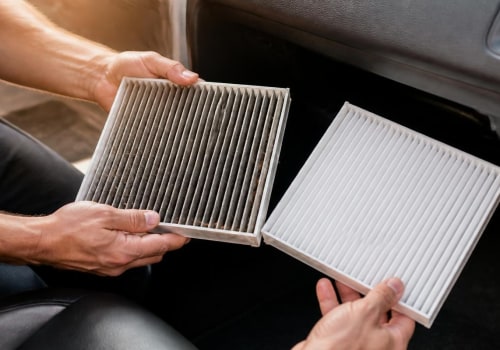
Understanding car maintenance is crucial for every vehicle owner, as it encompasses a series of routine checks and services designed to keep your car running smoothly. From oil changes to tire rotations, car maintenance ensures that your vehicle remains in optimal condition, preventing minor issues from escalating into costly repairs. By prioritizing regular maintenance, you not only enhance the performance and safety of your vehicle but also set the foundation for significant long-term savings. The importance of car maintenance cannot be overstated. Regularly scheduled services help identify potential problems before they become major headaches.
For instance, neglecting to replace worn brake pads can lead to damage to the rotors, resulting in a much more expensive repair. By investing in routine maintenance, you are essentially safeguarding your vehicle against unexpected breakdowns and the financial strain that accompanies them. Moreover, the benefits of car maintenance extend beyond just avoiding repairs. A well-maintained car operates more efficiently, which can lead to improved fuel economy. This means that not only do you save on repair costs, but you also save money at the pump.
In essence, understanding and committing to car maintenance is not just about keeping your vehicle in good shape; it’s a smart financial decision that pays off in the long run.
The Cost of Neglecting Maintenance
Neglecting car maintenance can lead to a cascade of financial consequences that may not be immediately apparent. While skipping routine checks might seem like a way to save money in the short term, the reality is that the costs associated with poor car care can accumulate rapidly.One of the most significant risks of ignoring maintenance is the potential for expensive car repairs. For instance, failing to change the oil regularly can result in engine wear and tear, leading to costly repairs or even a complete engine replacement. According to industry estimates, an engine rebuild can cost anywhere from $2,500 to $4,000, a stark contrast to the relatively low cost of regular oil changes.Additionally, neglecting routine inspections can lead to safety issues that may require immediate attention.For example:
- Brake failure: Ignoring brake pad replacements can lead to rotor damage, which is significantly more expensive to fix.
- Tire wear: Failing to rotate tires can lead to uneven wear, necessitating premature tire replacement that could cost hundreds of dollars.
- Fluid leaks: Over time, neglecting fluid checks can result in severe damage to critical components, leading to repairs that could exceed $1,000.
How Regular Maintenance Reduces Repair Costs
Regular car maintenance is not just about keeping your vehicle looking good; it plays a crucial role in preventing costly repairs down the line. By investing time and resources into routine checks and services, you can significantly reduce the likelihood of major issues arising.Preventative maintenance
is key to identifying potential problems before they escalate.For instance, regularly checking your oil levels and changing the oil as recommended can prevent engine wear and tear, which could lead to expensive repairs or even engine replacement. Similarly, monitoring tire pressure and tread depth can help avoid blowouts and improve fuel efficiency, saving you money at the pump.
- Early Detection: Regular inspections allow mechanics to spot issues like leaks, worn belts, or failing batteries early on. Addressing these minor problems can save you from facing a major breakdown.
- Extended Lifespan: Keeping up with maintenance schedules can extend the lifespan of your vehicle. A well-maintained car is less likely to require significant repairs, which can be financially burdensome.
- Improved Resale Value: A car with a documented history of regular maintenance is often more appealing to potential buyers.
This can translate into a higher resale value when it’s time to upgrade.
Key Maintenance Tasks That Save Money
Regular car maintenance is essential not only for ensuring your vehicle runs smoothly but also for saving you money over time. By staying proactive with specific maintenance tasks, you can prevent costly repairs and extend the lifespan of your vehicle. Here are some key maintenance tasks that can help you save money in the long run:- Oil Changes: Regular oil changes are crucial for keeping your engine running efficiently.
Neglecting this task can lead to engine wear and tear, resulting in expensive repairs. Aim to change your oil every 5,000 to 7,500 miles, depending on your vehicle's requirements.
- Tire Maintenance: Keeping your tires properly inflated and rotated can significantly enhance fuel efficiency and prolong tire life. Check tire pressure monthly and rotate your tires every 6,000 to 8,000 miles to avoid uneven wear.
- Brake Inspections: Regularly inspecting your brakes can prevent more severe issues down the line. Listen for unusual noises and have your brake pads checked at least once a year.
Replacing worn-out pads early can save you from costly rotor replacements.
- Fluid Checks: Regularly checking and replacing fluids such as coolant, transmission fluid, and brake fluid is vital for optimal vehicle performance. Low or dirty fluids can lead to overheating or mechanical failures, which can be expensive to fix.
- Battery Maintenance: A well-maintained battery can save you from unexpected breakdowns. Check battery terminals for corrosion and ensure a secure connection. Consider replacing your battery every three to five years to avoid being stranded.
This proactive approach not only helps you stay organized but also ensures that you don’t miss critical checks that could lead to costly repairs.By implementing these money-saving car maintenance tips, you can enjoy a more reliable vehicle while keeping your repair costs low. Remember, an ounce of prevention is worth a pound of cure!
The Role of Regular Inspections
Regular inspections play a crucial role in maintaining your vehicle's health and longevity. By scheduling routine vehicle check-ups, you can identify potential issues before they escalate into costly repairs. This proactive approach not only saves you money but also enhances your safety on the road.During an inspection, trained professionals assess various components of your car, including:- Brakes: Ensuring they are functioning properly can prevent accidents and expensive replacements.
- Fluids: Checking oil, coolant, and brake fluid levels helps avoid engine damage and overheating.
- Tires: Inspecting tread depth and pressure can improve fuel efficiency and extend tire life.
- Battery: A simple check can prevent unexpected breakdowns due to battery failure.
For instance, a small oil leak can be fixed for a fraction of the cost compared to repairing an engine that has suffered from prolonged neglect. Additionally, many manufacturers recommend specific maintenance schedules that, when followed, can keep your warranty intact and ensure optimal performance.Moreover, regular inspections contribute to better fuel efficiency. A well-maintained vehicle runs more smoothly, which means it consumes less fuel. This not only reduces your overall expenses but also minimizes your carbon footprint.In conclusion, prioritizing car maintenance through regular inspections is an investment in your vehicle's future.
By identifying problems early and ensuring all systems are functioning correctly, you can avoid significant repair costs down the line while enjoying a safer driving experience.
Real-Life Examples: Savings from Maintenance
Regular car maintenance not only ensures the longevity of your vehicle but can also lead to substantial financial savings. Here are some real-life examples that illustrate how proactive care can prevent costly repairs down the line.Case Study 1: The Importance of Oil Changes
Consider the case of a 2015 Honda Accord owner, Sarah. She diligently followed her vehicle's maintenance schedule, including regular oil changes every 5,000 miles. When her friend Mark neglected his oil changes, his engine suffered severe damage after just 10,000 miles.Sarah spent approximately $300 on oil changes over two years, while Mark faced a $4,000 engine replacement. This stark contrast highlights how regular maintenance can save thousands.
Case Study 2: Tire Maintenance
Another example comes from John, who invested in regular tire rotations and alignments for his SUV. By doing so, he extended the life of his tires by an additional 30,000 miles. This maintenance cost him about $200 over three years.In contrast, his neighbor Lisa ignored her tire maintenance and had to replace her tires every two years at a cost of $800. John's proactive approach saved him $600 in tire expenses alone.
Testimonials on Car Care Savings
- Emily: "After following a strict maintenance schedule for my Toyota Camry, I noticed fewer breakdowns and saved over $1,500 in repair costs over five years."
- David: "Regularly checking my brakes and fluids not only kept my car running smoothly but also saved me from a potential accident and costly repairs."
- Linda: "I used to ignore my car's maintenance needs until I faced a $2,000 repair bill. Now, I spend a fraction of that on regular check-ups and feel much safer on the road."
Frequently Asked Questions About Car Maintenance and Savings
When it comes to car maintenance, many vehicle owners have questions about how regular upkeep can lead to significant savings. Here are some of the most frequently asked questions:- How does regular car maintenance save money?
Regular maintenance helps identify potential issues before they become major problems.For instance, changing the oil regularly can prevent engine wear, which can save you from costly repairs down the line.
- What are the most common maintenance tasks that can save money?
Key tasks include:- Oil changes
- Tire rotations
- Brake inspections
- Fluid checks and replacements
- How often should I perform maintenance on my car?
It’s generally recommended to follow the manufacturer’s guidelines found in your owner’s manual. Most vehicles benefit from a comprehensive check-up every 5,000 to 7,500 miles. - Can neglecting maintenance lead to higher repair costs?
Absolutely. Ignoring small issues can lead to larger, more expensive repairs. For example, failing to replace worn brake pads can result in damage to the rotors, which is significantly more costly. - Are there any specific seasonal maintenance tips?
Yes! Before winter, ensure your battery is in good condition and check your antifreeze levels.In summer, inspect your air conditioning system and tire pressure, as heat can affect performance.
Conclusion: The Long-Term Financial Impact of Car Maintenance
In conclusion, regular car maintenance is not just a routine task; it is a strategic financial decision that can lead to significant savings over time. By investing in routine checks and services, you can prevent minor issues from escalating into major repairs that could cost you thousands of dollars.Throughout this article, we have explored various aspects of car maintenance, emphasizing its importance in enhancing vehicle longevity and performance. Here are some key takeaways:- Preventive Care: Regular oil changes, tire rotations, and brake inspections can help identify potential problems early, allowing for timely interventions.
- Fuel Efficiency: A well-maintained vehicle operates more efficiently, which translates to better fuel economy and lower gas expenses.
- Resale Value: Keeping up with maintenance records can significantly boost your car's resale value, making it a more attractive option for future buyers.
- Safety: Regular maintenance ensures that your vehicle is safe to drive, reducing the risk of accidents caused by mechanical failures.
By prioritizing maintenance, you not only protect your vehicle but also safeguard your finances. Remember, a small expense today can prevent a much larger one tomorrow. Make car maintenance a priority and enjoy the peace of mind that comes with knowing you are making a wise financial choice.