When it comes to owning a vehicle, car maintenance is not just a routine task; it is a crucial aspect of vehicle ownership that can significantly impact your safety and the longevity of your car. Regular maintenance ensures that your vehicle operates efficiently, reducing the risk of unexpected breakdowns and costly repairs. By understanding the importance of maintaining your car, you can make informed decisions that enhance both your driving experience and your vehicle's performance. One of the primary reasons to prioritize car maintenance is the safety it provides. A well-maintained vehicle is less likely to experience mechanical failures that could lead to accidents.
From checking tire pressure to ensuring brakes are functioning properly, these small yet vital tasks contribute to a safer driving environment for you and others on the road. Moreover, regular maintenance can help identify potential issues before they escalate into major problems, saving you time and money in the long run. In addition to safety, regular car maintenance offers numerous benefits that extend beyond just keeping your vehicle running smoothly. It can improve fuel efficiency, enhance resale value, and even contribute to a more enjoyable driving experience. For instance, an engine that receives timely oil changes and filter replacements will perform better and consume less fuel.
Furthermore, a car that has been well cared for is likely to attract higher offers when it comes time to sell or trade it in. Ultimately, understanding the significance of car maintenance sets the foundation for responsible vehicle ownership. By committing to a regular maintenance schedule, you not only protect your investment but also ensure that every journey you take is safe and reliable.
Creating a Car Maintenance Schedule
Creating a personalized car maintenance schedule is essential for ensuring your vehicle remains in optimal condition. By tailoring your maintenance plan to your specific driving habits and the manufacturer's recommendations, you can effectively prolong the life of your car and enhance its performance.To begin, consider the following steps:- Review the Owner's Manual: Your vehicle's owner manual contains vital information regarding recommended maintenance intervals for various components, such as oil changes, tire rotations, and brake inspections. Make this your primary resource.
- Assess Your Driving Habits: Take note of how often you drive, the types of roads you typically travel on, and whether you often carry heavy loads.
For instance, if you frequently drive in stop-and-go traffic or on rough terrain, you may need to adjust your maintenance schedule accordingly.
- Create a Maintenance Checklist: Develop a car maintenance checklist that includes all necessary services and their recommended intervals. Common items to include are:
- Oil changes (every 5,000 to 7,500 miles)
- Tire rotations (every 5,000 to 7,500 miles)
- Brake inspections (every 10,000 miles)
- Fluid checks (coolant, brake fluid, transmission fluid)
- Belt and hose inspections (every 30,000 miles)
- Set Reminders: Use a calendar or a mobile app to set reminders for each maintenance task. This will help ensure that you never miss an important service.
- Track Your Maintenance History: Keep a log of all completed services and repairs. This not only helps you stay organized but also provides valuable information for future maintenance decisions.
Regular maintenance not only enhances performance but also helps prevent costly repairs down the line.
Key Components of a Car Maintenance Schedule
Maintaining your vehicle is crucial for its longevity and performance. A well-structured car maintenance schedule should include several key components that ensure your car runs smoothly and safely. Here are the essential tasks to consider:- Oil Changes: Regular oil changes are vital for keeping your engine lubricated and functioning efficiently. Most manufacturers recommend changing the oil every 5,000 to 7,500 miles, but always refer to your owner’s manual for specific guidelines.
- Tire Rotations: To promote even tire wear and extend the life of your tires, rotate them every 6,000 to 8,000 miles.
This practice not only enhances safety but also improves fuel efficiency.
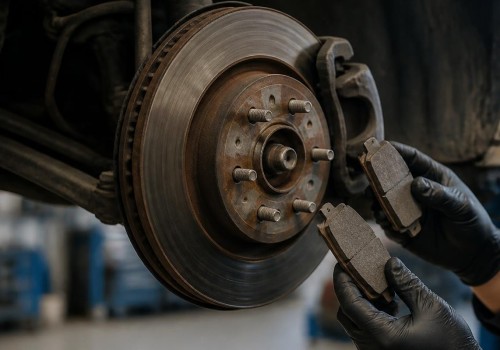
- Brake Inspections: Your brakes are one of the most critical safety components of your vehicle. Have them inspected at least once a year or if you notice any unusual sounds or decreased responsiveness.
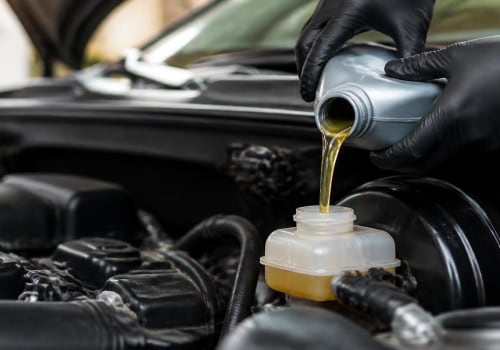
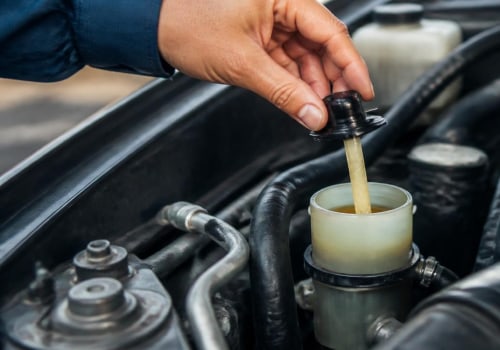
- Fluid Checks: Regularly check and top off essential fluids such as coolant, brake fluid, transmission fluid, and windshield washer fluid. Keeping these fluids at optimal levels is crucial for your car's performance.
- Battery Maintenance: Inspect your battery terminals for corrosion and ensure a secure connection. Consider replacing the battery every three to five years to avoid unexpected failures.
- Air Filter Replacement: A clean air filter improves engine efficiency and performance.
Replace it every 15,000 to 30,000 miles or as recommended by your vehicle’s manufacturer.
Using Technology to Track Maintenance
In today's fast-paced world, technology offers a variety of solutions to help car owners manage their maintenance schedules effectively. Utilizing car maintenance apps and digital tools can simplify the process of tracking service history and upcoming maintenance tasks.Car Maintenance Apps
- MyCarFax: This app allows users to track their vehicle's service history and receive reminders for upcoming maintenance. It also provides a comprehensive overview of any recalls or safety issues related to your vehicle.
- Car Minder: With Car Minder, you can log your maintenance activities, set reminders for oil changes, tire rotations, and more.
The app also generates reports that help you understand your car's performance over time.
- AutoCare: This app not only tracks your maintenance schedule but also helps you manage expenses related to your vehicle. You can input costs for repairs and services, giving you a clear picture of your car's financial health.
Digital Tools for Car Care
In addition to mobile apps, there are several online platforms that can assist in managing your car's maintenance:
- Google Calendar: By setting up recurring events for maintenance tasks, you can ensure that nothing slips through the cracks. Simply input the date and type of service needed, and Google Calendar will send you reminders.
- Spreadsheets: For those who prefer a more hands-on approach, creating a spreadsheet can be an effective way to track your vehicle's service history. You can include columns for dates, services performed, costs, and notes on any issues encountered.
Tracking Vehicle Service History
Keeping a detailed record of your vehicle's service history is crucial for maintaining its value and ensuring its longevity.
Many apps allow you to store receipts and documents digitally, making it easy to access important information when needed. Additionally, having a comprehensive service history can be beneficial when selling your car or during trade-ins.By leveraging these digital tools, car owners can stay organized and proactive about their vehicle's maintenance needs, ultimately leading to better performance and fewer unexpected repairs.
Setting Reminders for Maintenance Tasks
Keeping track of your car's maintenance schedule is crucial for ensuring its longevity and performance. One effective way to manage this is by setting reminders for maintenance tasks. Here are some strategies to help you stay organized:- Use a Calendar App: Most smartphones come with built-in calendar applications that allow you to set recurring events.
Schedule reminders for oil changes, tire rotations, and other essential services. Make sure to set alerts a few days in advance so you have time to plan.
- Dedicated Reminder Apps: There are several apps specifically designed for vehicle maintenance tracking. Apps like Car Minder or My Car not only remind you of upcoming services but also keep a log of past maintenance, helping you track your car's health over time.
- Physical Reminders: If you prefer a more traditional approach, consider using a wall calendar or a planner. Mark important dates and tasks visibly in your home or office to keep them top of mind.
- Service Provider Notifications: Many auto service centers offer reminder services.
When you schedule an appointment, ask if they can send you email or text reminders as the date approaches.
Common Mistakes to Avoid in Car Maintenance Tracking
Keeping track of your car's maintenance schedule is crucial for ensuring its longevity and performance.However, many car owners fall into common traps that can lead to costly mistakes. Here are some common mistakes to avoid when tracking your vehicle's maintenance:
- Neglecting Regular Checks: One of the biggest pitfalls in vehicle care is failing to perform regular checks. Many owners wait until a warning light appears before addressing issues, which can lead to more significant problems down the line. Make it a habit to check fluid levels, tire pressure, and brakes regularly.
- Ignoring the Owner's Manual: Your car's owner manual is a treasure trove of information regarding maintenance schedules.
Ignoring it can lead to missed services or unnecessary ones. Always refer to it for specific recommendations on oil changes, filter replacements, and other essential services.
- Inconsistent Record Keeping: Failing to maintain a consistent record of your car's maintenance history can create confusion and lead to missed appointments. Use a dedicated app or a simple spreadsheet to log every service performed, including dates and mileage.
- Overlooking Seasonal Maintenance: Many drivers forget that their car requires different care depending on the season. For instance, winter tires should be installed before the first snowfall, and coolant levels should be checked before summer heat sets in.
Plan seasonal check-ups to avoid being caught off guard.
- Relying Solely on Mileage: While mileage is an important factor in determining when to service your vehicle, it shouldn't be the only one. Time also plays a critical role; fluids can degrade even if the car isn't driven much. Be mindful of both mileage and time intervals for maintenance.
FAQs About Car Maintenance Tracking
Keeping track of your car's maintenance schedule is crucial for ensuring its longevity and performance.Here are some frequently asked questions regarding car maintenance tracking:
- What is a car maintenance schedule?
A car maintenance schedule is a plan that outlines the necessary services and inspections your vehicle requires at specific intervals, such as oil changes, tire rotations, and brake checks. - How often should I check my car's maintenance schedule?
It's advisable to review your car's maintenance schedule at least once a month or before long trips. Regular checks help you stay on top of necessary services. - What tools can I use to track my car's maintenance?
There are several tools available for tracking car maintenance, including:- Mobile apps: Applications like Car Minder or My Car Maintenance allow you to log services and set reminders.
- Spreadsheets: Creating a simple spreadsheet can help you manually track your service history and upcoming needs.
- Paper logs: Keeping a physical logbook in your glove compartment can be useful for jotting down service dates and details.
- What happens if I miss a scheduled maintenance?
Missing scheduled maintenance can lead to more significant issues down the line, such as decreased performance, increased repair costs, and even voiding warranties. It's essential to reschedule missed services as soon as possible. - Can I perform maintenance myself?
Yes, many basic maintenance tasks, such as checking fluid levels or changing wiper blades, can be done by yourself. However, for more complex services, it's best to consult a professional mechanic.
Conclusion: Staying on Top of Your Car's Maintenance Needs
In conclusion, staying on top of your car's maintenance needs is crucial for ensuring its longevity and performance.By adhering to a regular car maintenance schedule, you not only enhance the safety of your vehicle but also improve its resale value. Here are some key takeaways to remember:
- Regular Inspections: Schedule routine inspections to catch potential issues before they escalate. This includes checking fluid levels, brakes, and tire conditions.
- Follow Manufacturer Guidelines: Always refer to your vehicle's owner manual for specific maintenance recommendations. These guidelines are tailored to your car's make and model.
- Use a Maintenance Log: Keep a detailed log of all maintenance activities, including dates and services performed.
This will help you track what has been done and when the next service is due.
- Set Reminders: Utilize digital tools or apps to set reminders for upcoming maintenance tasks. This proactive approach can prevent missed appointments.
- Stay Informed: Educate yourself about common car issues and their symptoms. Being knowledgeable can help you identify problems early on.
Make it a priority to stay organized and proactive about your car's upkeep, and you'll enjoy a smoother, safer ride for years to come.