When it comes to car maintenance, one of the most often overlooked aspects is the condition of the power steering fluid. This vital fluid plays a crucial role in ensuring that your vehicle's steering system operates smoothly and efficiently. Without adequate power steering fluid, drivers may experience difficulty in steering, increased wear on components, and even potential safety hazards. Understanding the importance of this fluid is essential for maintaining optimal vehicle performance and safety. The power steering system relies on hydraulic pressure generated by the fluid to assist in turning the steering wheel with ease.
Over time, however, this fluid can become contaminated with debris, moisture, and other impurities, which can compromise its effectiveness. Regularly checking and changing your power steering fluid is not just a matter of routine; it is a critical component of vehicle upkeep that can prevent costly repairs down the line. Moreover, neglecting to maintain proper levels and quality of power steering fluid can lead to more severe issues, such as pump failure or steering rack damage. These problems not only affect the drivability of your car but can also pose serious safety risks on the road. Therefore, understanding when and why to change your power steering fluid is an integral part of responsible car ownership.
What is Power Steering Fluid?
Power steering fluid is a specialized hydraulic fluid that plays a crucial role in the operation of a vehicle's power steering system.This fluid enables the driver to steer the vehicle with minimal effort, enhancing overall driving comfort and control. Without adequate power steering fluid, steering can become stiff and unresponsive, making it difficult to maneuver the vehicle.The primary function of power steering fluid is to transmit power within the steering system. It helps in reducing friction between moving parts, ensuring smooth operation. Additionally, it acts as a lubricant, protecting components from wear and tear, and also serves to dissipate heat generated during steering.
Types of Power Steering Fluid
There are several types of power steering fluids available, each designed for specific vehicle requirements:- Mineral Oil-Based Fluids: These are the most common types of power steering fluids, derived from refined petroleum.
They are suitable for many older vehicles.
- Synthetic Fluids: Engineered for high performance, synthetic fluids offer better temperature stability and improved lubrication properties. They are often recommended for modern vehicles.
- ATF (Automatic Transmission Fluid): Some vehicles use ATF as power steering fluid due to its similar properties. However, it's essential to check the owner's manual to ensure compatibility.
- Bio-Based Fluids: An emerging option, these fluids are made from renewable resources and are designed to be environmentally friendly while still providing effective performance.
Signs That Your Power Steering Fluid Needs Changing
Recognizing the signs that your power steering fluid needs changing is crucial for maintaining your vehicle's performance and safety.Ignoring these indicators can lead to more severe issues down the line, so it's essential to stay vigilant. Here are some common symptoms of low power steering fluid or degraded fluid:
- Difficulty Steering: If you notice that turning the steering wheel requires more effort than usual, it may indicate low power steering fluid levels or fluid that has lost its effectiveness.
- Noisy Steering: Unusual noises, such as whining or groaning sounds when you turn the wheel, can signal that the power steering fluid is low or contaminated. This noise often becomes more pronounced during sharp turns.
- Fluid Leaks: If you spot a puddle of reddish-brown fluid under your vehicle, it could be a sign of a leak in the power steering system. Regularly checking for leaks can help you catch issues early.
- Steering Wheel Vibration: A vibrating steering wheel while driving can indicate that the power steering fluid is not circulating properly, which may be due to contamination or low levels.
- Warning Light: Some vehicles are equipped with a dashboard warning light that indicates low power steering fluid levels. If this light illuminates, it’s time to check your fluid levels immediately.
Regular maintenance not only enhances your vehicle's performance but also extends its lifespan.
Recommended Interval for Changing Power Steering Fluid
When it comes to car maintenance, one of the often-overlooked aspects is the power steering fluid. Knowing the recommended interval for changing power steering fluid can help ensure your vehicle operates smoothly and efficiently.Most manufacturers recommend changing the power steering fluid every 50,000 to 100,000 miles. However, this can vary based on several factors, including the make and model of your vehicle, driving conditions, and whether you frequently tow heavy loads or drive in extreme temperatures.Manufacturer Guidelines
- Consult your owner’s manual for specific recommendations related to your vehicle.
- Some manufacturers may suggest a more frequent change if you notice any signs of fluid contamination or degradation.
Expert Opinions
- Many automotive experts suggest checking the power steering fluid level and condition at least once a year.
- If the fluid appears dark or has a burnt smell, it’s a good indication that it needs to be changed sooner than the recommended interval.
Regularly checking and maintaining your power steering system not only enhances performance but also extends the lifespan of the components involved.In summary, while the general recommendation is to change power steering fluid every 50,000 to 100,000 miles, always refer to your vehicle’s owner manual and consider your unique driving conditions for optimal car maintenance.
Factors Influencing Power Steering Fluid Change Frequency
When it comes to car maintenance, understanding the factors that influence the frequency of changing power steering fluid is crucial for ensuring optimal vehicle performance. Several elements can affect how often this fluid should be replaced, including driving habits, climate conditions, and the type of vehicle.Driving Habits
Your driving style plays a significant role in determining how quickly power steering fluid degrades. For instance, if you frequently engage in stop-and-go traffic or make sharp turns, your power steering system works harder, leading to increased fluid breakdown. Conversely, if you primarily drive on highways with minimal steering adjustments, your fluid may last longer.Climate Conditions
The environment in which you drive can also impact the longevity of your power steering fluid.In extreme temperatures, whether hot or cold, the fluid can become less effective. High temperatures can cause the fluid to oxidize more rapidly, while cold weather can thicken the fluid, making it less efficient. Therefore, if you live in an area with harsh weather conditions, you may need to change your power steering fluid more frequently.
Vehicle Type
The type of vehicle you own can dictate the maintenance schedule for power steering fluid changes. For example, luxury vehicles or those equipped with advanced steering systems may require specific types of fluids that have different lifespans compared to standard vehicles.Always refer to your owner’s manual for manufacturer recommendations regarding fluid change intervals.In summary, factors such as driving habits, climate conditions, and vehicle type significantly influence how often you should change your power steering fluid. Regularly assessing these elements will help ensure that your power steering system remains in top condition and contributes to overall car maintenance.
How to Change Power Steering Fluid: A Step-by-Step Guide
Changing your power steering fluid is an essential part of car maintenance that can enhance the performance and longevity of your vehicle. Follow this step-by-step guide to perform a DIY power steering fluid change.- Gather Your Supplies: Before you start, make sure you have the necessary tools and materials. You will need:
- New power steering fluid (check your owner’s manual for the correct type)
- A turkey baster or siphon pump
- A clean container for old fluid
- A funnel
- Gloves and safety glasses
- Locate the Power Steering Reservoir: Open your car’s hood and find the power steering fluid reservoir.
It is usually labeled and located near the engine.
- Remove Old Fluid: Using a turkey baster or siphon pump, carefully remove as much old fluid as possible from the reservoir. Dispose of the old fluid in accordance with local regulations.
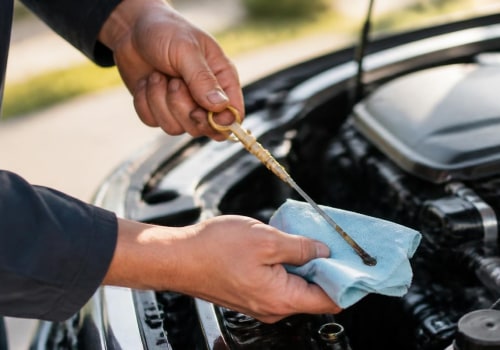
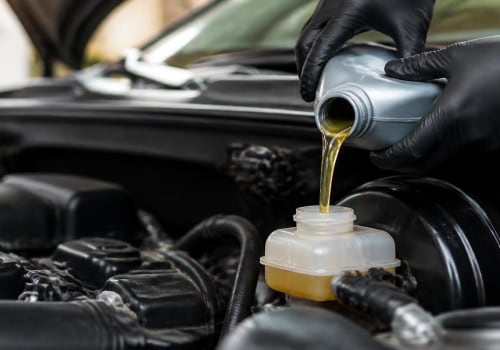
- Add New Fluid: Using a funnel, pour new power steering fluid into the reservoir until it reaches the recommended level indicated on the dipstick or reservoir markings.
- Check for Leaks: Start your engine and turn the steering wheel from lock to lock a few times. This helps circulate the new fluid. Check for any leaks around the reservoir and hoses.
- Dispose of Old Fluid Properly: Make sure to take the old power steering fluid to a recycling center or an auto parts store that accepts hazardous waste.
Regular maintenance like this not only saves you money but also contributes to a smoother driving experience.
Common Mistakes to Avoid When Changing Power Steering Fluid
Changing your power steering fluid is a crucial aspect of car maintenance, but many vehicle owners make common mistakes that can lead to suboptimal performance or even damage. Here are some pitfalls to avoid:- Neglecting the Owner's Manual: One of the most significant errors is not consulting the vehicle's owner manual for specific recommendations on fluid type and change intervals. Each car model may have unique requirements.
- Using the Wrong Fluid: Not all power steering fluids are created equal. Using a fluid that is not compatible with your vehicle can lead to serious issues.
Always ensure you use the manufacturer-recommended fluid.
- Overfilling the Reservoir: Adding too much fluid can cause pressure build-up, leading to leaks or damage to the power steering system. Always check the dipstick or markings on the reservoir to ensure proper levels.
- Ignoring Contamination: If the old fluid appears dark or contains debris, it’s a sign of contamination. Failing to flush out contaminated fluid can compromise the new fluid's effectiveness and harm the system.
- Skipping the Flush: Simply topping off old fluid without performing a complete flush can lead to a mix of old and new fluids, which may not work well together. A thorough flush is essential for optimal performance.
Taking the time to do it right will help maintain your vehicle's steering performance and longevity.
FAQs About Power Steering Fluid Changes
When it comes to power steering fluid changes, many car owners have questions about the best practices and maintenance schedules. Here are some of the most frequently asked questions:1.How often should I change my power steering fluid?
The recommended interval for changing power steering fluid typically ranges from every 30,000 to 60,000 miles. However, it’s essential to consult your vehicle’s owner manual for specific recommendations, as some manufacturers may suggest different intervals based on the vehicle model and driving conditions.2.What are the signs that my power steering fluid needs to be changed?
- Difficulty steering: If you notice that your steering wheel is harder to turn than usual, it may indicate low or contaminated fluid.
- Noisy steering: Unusual whining or groaning noises when turning the wheel can signal that the power steering fluid is old or low.
- Fluid color change: Healthy power steering fluid is typically a clear or light amber color. If it appears dark or has a burnt smell, it’s time for a change.
3.Can I change the power steering fluid myself?
Yes, changing your power steering fluid can be a DIY task if you have basic mechanical skills.You will need to locate the power steering reservoir, siphon out the old fluid, and refill it with new fluid. However, ensure you follow the correct procedures and use the recommended type of fluid for your vehicle.
4.What happens if I don’t change my power steering fluid?
If you neglect to change your power steering fluid, it can lead to several issues:- Pump damage: Contaminated fluid can cause wear and tear on the power steering pump, leading to costly repairs.
- Steering failure: Old or low fluid can result in a complete loss of power steering assistance, making it difficult to control your vehicle.
Conclusion: Keeping Your Power Steering System Healthy
In conclusion, maintaining your vehicle's power steering system is crucial for ensuring a smooth and safe driving experience. Regularly changing the power steering fluid is a key aspect of car maintenance that should not be overlooked. As discussed, the recommended interval for changing this fluid typically ranges from every 30,000 to 60,000 miles, depending on your vehicle's make and model, as well as your driving conditions.Neglecting to change the power steering fluid can lead to a host of problems, including:- Increased wear and tear on the power steering pump and other components.
- Reduced steering responsiveness, making it harder to control your vehicle.
- Potential for costly repairs if the system becomes damaged due to contaminated fluid.
- Check fluid levels regularly: Make it a habit to inspect your power steering fluid levels during routine checks.
- Look for signs of contamination: If the fluid appears dark or has a burnt smell, it’s time for a change.
- Consult your owner’s manual: Always refer to your vehicle’s manual for specific recommendations regarding fluid change intervals.
Remember, a well-maintained vehicle not only performs better but also retains its value over time. Make power steering fluid changes a regular part of your car maintenance routine to ensure safety and reliability on the road.