Car maintenance is a crucial aspect of vehicle ownership that often goes overlooked until a problem arises. At its core, car maintenance refers to the routine checks and services performed on a vehicle to ensure it operates efficiently and safely. This includes everything from oil changes and tire rotations to brake inspections and fluid replacements. Understanding the importance of car maintenance is essential for any car owner who wants to prolong the life of their vehicle and enhance its performance. Regular maintenance not only helps in identifying potential issues before they escalate into costly repairs but also plays a significant role in ensuring the safety of the driver and passengers.
A well-maintained car is less likely to experience breakdowns, which can lead to dangerous situations on the road. Moreover, adhering to a consistent maintenance schedule can improve fuel efficiency, ultimately saving money at the pump. In addition to safety and cost-effectiveness, regular car maintenance can also enhance the resale value of your vehicle. Prospective buyers are more inclined to purchase a car with a documented history of proper care and maintenance. Therefore, investing time and resources into maintaining your vehicle is not just about immediate benefits; it’s also about securing your investment for the future.
Enhanced Vehicle Longevity
Regular car maintenance plays a crucial role in enhancing the longevity of your vehicle.By adhering to a consistent maintenance schedule, you can significantly extend the life of your car and ensure it operates at peak performance.One of the primary benefits of regular maintenance is the prevention of major issues before they arise. For instance, routine oil changes help keep the engine lubricated and running smoothly, reducing wear and tear. Additionally, checking and replacing air filters can improve engine efficiency, which not only enhances performance but also contributes to a longer lifespan.
Key Maintenance Services for Longevity
- Fluid Checks and Changes: Regularly checking and changing fluids such as coolant, brake fluid, and transmission fluid can prevent overheating and mechanical failures.
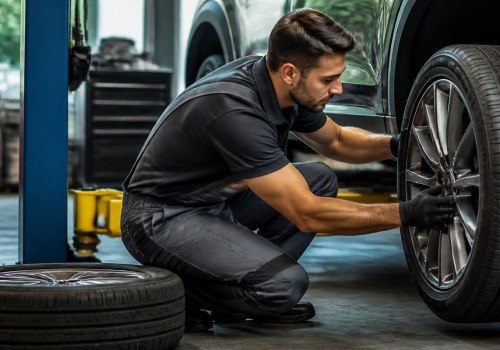
- Tire Maintenance: Rotating tires and ensuring proper alignment can prevent uneven wear, improving both safety and longevity.
- Brake Inspections: Keeping brakes in top condition not only ensures safety but also prevents damage to other components of the vehicle.
- Battery Care: Regularly testing and cleaning battery terminals can prevent unexpected breakdowns and extend battery life.
By prioritizing these services, you can enjoy a reliable car that serves you well for many years to come.
Improved Safety on the Road
Regular car maintenance plays a crucial role in enhancing car safety and ensuring that vehicles operate smoothly. By adhering to a consistent maintenance schedule, drivers can significantly reduce the risk of mechanical failures that could lead to accidents.One of the primary benefits of regular maintenance is the early detection of potential issues. For instance, routine inspections can identify worn-out brake pads, low tire pressure, or fluid leaks before they escalate into serious problems. Addressing these issues promptly not only extends the lifespan of the vehicle but also ensures that it remains safe to drive.- Brakes: Regular checks on the braking system are essential.
Faulty brakes are one of the leading causes of accidents. Ensuring that brake pads and rotors are in good condition can prevent dangerous situations.
- Tires: Maintaining proper tire pressure and tread depth is vital for optimal traction and handling. Under-inflated or worn tires can lead to blowouts or loss of control.
- Lights: Functioning headlights, taillights, and turn signals are critical for visibility and communication with other drivers. Regularly checking these components can prevent nighttime accidents.
A well-maintained car is less likely to break down unexpectedly, which not only keeps drivers safe but also reduces stress during travel. Knowing that your vehicle is in good condition allows for more confident driving, especially in challenging conditions such as rain or snow.In conclusion, prioritizing regular maintenance is not just about keeping a car running; it is fundamentally about ensuring safety on the road. By investing time and resources into maintaining your vehicle, you are actively protecting yourself, your passengers, and others on the road.
Cost Savings Over Time
Investing in regular car maintenance can lead to substantial cost savings over time, primarily by preventing major repairs and enhancing fuel efficiency. When you adhere to a consistent maintenance schedule, you are less likely to encounter unexpected breakdowns that can result in hefty repair bills.One of the most significant advantages of regular maintenance is its ability to identify potential issues before they escalate.For instance, a simple oil change or tire rotation can prevent more severe problems, such as engine failure or brake system malfunctions. By addressing these minor issues early, you can avoid the high costs associated with major repairs.
Fuel Efficiency Improvements
Another way that car maintenance saves you money is through improved fuel efficiency. A well-maintained vehicle operates more efficiently, which means you spend less on gas. Regularly checking and replacing air filters, spark plugs, and ensuring proper tire pressure can significantly enhance your car's fuel economy.- Oil Changes: Regular oil changes keep your engine running smoothly and efficiently.
- Tire Maintenance: Properly inflated and aligned tires reduce rolling resistance, improving gas mileage.
- Fluid Checks: Keeping fluids at optimal levels prevents overheating and other costly issues.
This not only protects your investment but also ensures that you are not faced with unexpected expenses due to warranty voids caused by neglecting maintenance.In conclusion, the cost of car maintenance is a small price to pay compared to the potential savings from avoiding costly repairs and enhancing fuel efficiency. By prioritizing regular maintenance, you ensure that your vehicle remains reliable and economical for years to come.
Better Fuel Efficiency
Regular car maintenance plays a crucial role in enhancing your vehicle's fuel efficiency. When a car is well-maintained, it operates more smoothly, which directly impacts how efficiently it uses fuel. Here are some key ways that maintenance can improve your vehicle's fuel economy:- Engine Tune-Ups: Regular tune-ups ensure that your engine is running at peak performance.
This includes checking and replacing spark plugs, which can significantly affect fuel combustion and efficiency.
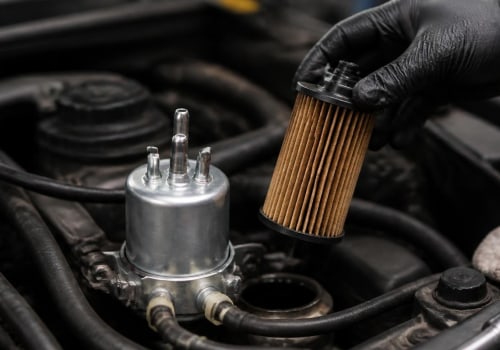
- Air Filter Replacement: A clean air filter allows for better airflow to the engine, improving combustion and leading to better fuel efficiency. Clogged filters can reduce power and increase fuel consumption.
- Tire Maintenance: Properly inflated tires reduce rolling resistance, which can enhance fuel economy. Regularly checking tire pressure and alignment can lead to noticeable savings at the pump.
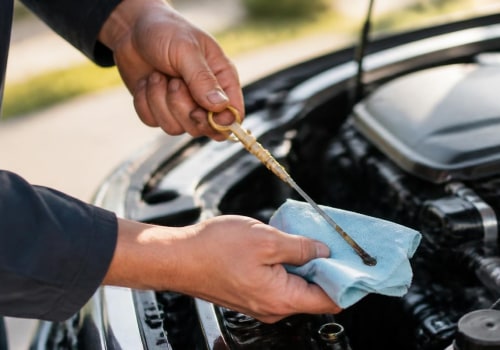
- Oil Changes: Using the right type of oil and changing it regularly keeps the engine lubricated and running smoothly. This reduces friction and helps the engine operate more efficiently.
For instance, a malfunctioning oxygen sensor can lead to poor fuel economy, but if caught early during routine maintenance, it can be fixed before it impacts your wallet.Ultimately, maintaining your car not only leads to lower fuel costs but also contributes to a reduced environmental impact. A well-maintained vehicle emits fewer pollutants, making it a more eco-friendly choice. By investing in regular car maintenance, you are not just saving money; you are also making a positive contribution to the environment.
Higher Resale Value
One of the most significant benefits of regular car maintenance is its positive impact on a vehicle's resale value. When it comes time to sell or trade in your car, potential buyers are often looking for assurance that the vehicle has been well cared for.A history of consistent maintenance can serve as a strong indicator of reliability and longevity.Here are some key factors that contribute to a higher resale value through regular maintenance:
- Documented Service History: Keeping detailed records of all maintenance performed, including oil changes, tire rotations, and brake inspections, can significantly enhance your car's appeal. Buyers are more likely to trust a vehicle with a transparent service history.
- Condition and Performance: Regular maintenance helps keep your car in optimal condition. This includes everything from engine performance to the state of the tires and brakes. A well-maintained car not only drives better but also looks better, which can attract more buyers.
- Preventing Major Repairs: By addressing minor issues before they escalate into major problems, regular maintenance can save you from costly repairs down the line.
A car that has been maintained properly is less likely to have hidden issues that could deter potential buyers.
- Enhanced Safety Features: Regular checks on safety features such as brakes, lights, and tires ensure that your vehicle remains safe to drive. Buyers prioritize safety, and knowing that these aspects have been regularly inspected can boost their confidence in your car.
Common Maintenance Tasks and Their Importance
Regular car maintenance is essential for ensuring the longevity and performance of your vehicle. Here are some common maintenance tasks that every car owner should prioritize:- Oil Changes: Regular oil changes are crucial for keeping your engine lubricated and running smoothly.
Fresh oil helps to reduce friction and wear, ultimately extending the life of your engine.
- Tire Rotations: Rotating your tires every 5,000 to 7,500 miles promotes even wear and can significantly enhance tire lifespan. This practice also improves traction and handling, ensuring a safer driving experience.
- Brake Inspections: Your brakes are one of the most critical safety features of your vehicle. Regular inspections can help identify worn pads or other issues before they lead to more significant problems, ensuring your safety on the road.
- Fluid Checks: Regularly checking and topping off fluids such as coolant, brake fluid, and transmission fluid is vital for optimal vehicle performance. Low fluid levels can lead to overheating or mechanical failures.
- Battery Maintenance: Keeping your battery terminals clean and checking the battery's charge can prevent unexpected breakdowns.
A well-maintained battery ensures reliable starts and supports all electrical systems in your car.
FAQs About Car Maintenance Benefits
When it comes to car maintenance, many vehicle owners have questions about its benefits and importance. Here are some frequently asked questions that can help clarify common concerns:- What are the primary benefits of regular car maintenance?
Regular maintenance helps ensure your vehicle operates efficiently, enhances safety, and prolongs its lifespan. By addressing issues early, you can avoid costly repairs down the line. - How does car maintenance affect fuel efficiency?
Routine maintenance, such as oil changes and air filter replacements, can significantly improve your car's fuel efficiency.A well-maintained engine runs smoother and consumes less fuel.
- Can regular maintenance prevent breakdowns?
Absolutely! Regular inspections and servicing can identify potential problems before they escalate into major issues, reducing the likelihood of unexpected breakdowns. - Is car maintenance worth the cost?
Investing in regular maintenance is often more cost-effective than dealing with major repairs caused by neglect. It can save you money in the long run by enhancing your vehicle's performance and reliability. - How often should I perform maintenance on my car?
It’s generally recommended to follow the manufacturer’s guidelines found in your owner’s manual. Typically, this includes oil changes every 5,000 to 7,500 miles and other checks at regular intervals.
Conclusion: The Importance of Regular Car Maintenance
In conclusion, regular car maintenance is not just a recommendation; it is a necessity for every vehicle owner.The benefits of adhering to a consistent maintenance schedule are manifold, impacting not only the performance of your vehicle but also your overall safety and financial well-being. First and foremost, regular maintenance significantly enhances the safety of your vehicle. Routine checks on critical components such as brakes, tires, and lights ensure that your car operates optimally, reducing the risk of accidents caused by mechanical failures. A well-maintained car is less likely to experience breakdowns, providing peace of mind during your travels. Moreover, investing in car maintenance can lead to substantial savings in the long run. By addressing minor issues before they escalate into major problems, you can avoid costly repairs that could arise from neglect.
Regular oil changes, tire rotations, and fluid checks not only keep your car running smoothly but also improve fuel efficiency, saving you money at the pump. Additionally, maintaining your vehicle can extend its lifespan. Cars that receive consistent care tend to last longer and retain their value better than those that are neglected. This means that when it comes time to sell or trade in your vehicle, you are likely to receive a better return on your investment. In summary, the importance of regular car maintenance cannot be overstated. It ensures safety, promotes savings, and enhances the longevity of your vehicle.
By prioritizing maintenance, you are making a wise choice for both your safety and your wallet.